
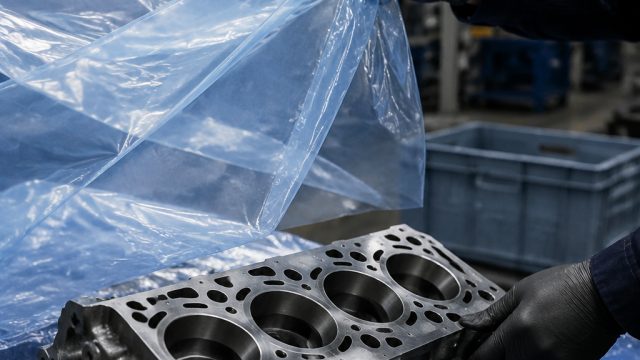
The global landscape of metal trade is undergoing a significant transformation, and with it, the necessity for effective corrosion protection is more crucial than ever. Volatile market conditions, coupled with an increase in international metal transactions, are propelling the demand for VCI (Vapor Corrosion Inhibitor) corrosion inhibitor films. This article delves into the factors driving this demand and its projected growth in the coming years.
Understanding VCI Corrosion Inhibitor Films
VCI films are specialized materials designed to protect metal surfaces from corrosion during storage and transportation. These films release vapor that forms a protective layer on the metal, preventing moisture and other corrosive elements from causing damage. Given the ever-growing global metal trade, the application of VCI films is becoming increasingly vital for manufacturers and distributors alike.
What Contributes to the Rising Demand?
- Increased Global Metal Trade: As the world economy becomes more interconnected, the volume of metals traded internationally continues to rise. This uptick necessitates robust protection methods to ensure that metals remain in pristine condition throughout their journey.
- Extended Protection Needs: In various industries, including automotive and manufacturing, the need for long-term protection of metal parts has grown. VCI films offer a reliable solution that meets these extended protection requirements.
- Regulatory Compliance: Stringent regulations regarding environmental impact and product safety are pushing companies to adopt safer, more effective corrosion protection solutions. VCI films align well with these regulations.
Market Trends Influencing VCI Film Demand
As we look towards 2035, several market trends are anticipated to play a pivotal role in the expansion of the VCI corrosion inhibitor films market.
Technological Advancements
Innovations in film production technology are enhancing the efficacy and cost-effectiveness of VCI films. Improved formulations and manufacturing techniques lead to better performance while keeping production costs manageable.
Sustainability Initiatives
With increasing awareness of environmental sustainability, manufacturers are seeking greener alternatives for corrosion prevention. VCI films are emerging as a viable option due to their reduced environmental footprint compared to traditional methods.
Rising Manufacturing Activities
The resurgence of manufacturing activities post-pandemic, especially in developing countries, is also contributing to the growing demand for VCI films. As production ramps up, so does the need for effective corrosion protection solutions.
The Competitive Landscape
Players in the VCI films market are strategizing to capture market share through various means:
- Product Innovation: Developing new formulations with enhanced properties can differentiate companies from competitors.
- Strategic Collaborations: Partnerships with manufacturers and distributors can expand reach and improve product distribution networks.
- Market Expansion: Venturing into new geographical markets presents opportunities for growth, particularly in regions with burgeoning industrial sectors.
Future Prospects
The VCI corrosion inhibitor films market is poised for significant growth as we approach 2035. The intertwining of various factors, such as global metal trade dynamics, regulatory frameworks, and advancements in technology, creates a fertile environment for the expansion of this sector.
Companies operating in the metal and manufacturing industries would do well to consider the benefits of incorporating VCI films into their corrosion protection strategies. As demand continues to rise, those who adapt early will be better positioned to leverage the burgeoning market opportunities.
Conclusion
In conclusion, the demand for VCI corrosion inhibitor films is on an upward trajectory, driven by an increase in global metal trade and the need for effective protection against corrosion. As we look to the future, it is clear that these films will play a critical role in safeguarding metal products, ensuring they remain intact and ready for use.