
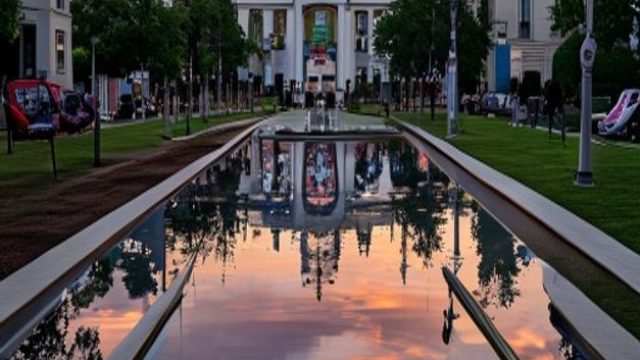
In a surprising turn of events, the renovation of the Reflecting Pool near the Lincoln Memorial has become a focal point of public debate. Recently, several deceased ducks were discovered floating in the pool, prompting questions about maintenance practices and animal welfare in the area. This incident has not only captured media attention but has also raised concerns regarding the environmental stewardship surrounding one of the nation's most iconic landmarks.
A Troubling Discovery
On a seemingly ordinary day, visitors to the Reflecting Pool were met with an unexpected sight. Reports indicate that three dead ducks were found within the water, raising alarms among environmentalists and wildlife advocates. The shocking discovery brought attention to the state of the pool, which is currently undergoing renovations that have already faced critiques regarding their management and execution.
The Response from Authorities
In the wake of this unsettling discovery, authorities have come forward to explain the circumstances surrounding the incident. While some speculate that the ducks were victims of vandalism, internal documents suggest a deeper issue with the maintenance protocols in place. The combination of ongoing renovations and the apparent neglect of the wildlife in the area prompts significant questioning about the measures being taken to ensure a safe habitat.
Public Reaction
- Increased scrutiny over government projects.
- Calls for greater accountability regarding environmental health.
- Heightened awareness of wildlife protection efforts.
The Bigger Picture: Environmental and Cultural Significance
The Reflecting Pool stands not only as a testament to American history but also as a vital ecosystem for local wildlife. As renovations progress, it's essential to consider the implications of design changes on the natural habitat. Advocates argue that the importance of maintaining ecological balance should be prioritized alongside aesthetic and tourism goals. With the recent incidents drawing attention, it becomes clear that the intersection of environmental care and cultural heritage requires careful navigation.
What This Means for Future Renovations
As discussions surrounding the Reflecting Pool continue, stakeholders are beginning to advocate for a more integrative approach to renovation projects. Suggestions include:
- Implementing wildlife protection measures during construction.
- Regular assessments of ecological impacts post-renovation.
- Engaging with community experts to guide sustainable practices.
Moving Forward: A Call to Action
The recent events surrounding the Reflecting Pool have sparked a broader conversation about responsibility, not just for government authorities but for the public as well. Citizens are urged to take an active role in monitoring the treatment of public spaces and advocating for the ethical treatment of all creatures that share these environments.
How You Can Get Involved
There are several ways individuals can contribute to the cause:
- Participate in local wildlife advocacy groups.
- Attend community meetings discussing environmental issues.
- Educate others about the importance of ecological preservation.
Conclusion
The drama surrounding the Reflecting Pool is a critical reminder of the intertwined nature of cultural landmarks and the ecosystems surrounding them. As renovations continue, it is imperative to balance historical preservation with environmental responsibility. The public's awareness and engagement in these issues may very well dictate the future of such iconic sites. The world is watching, and it's time for decisive action and meaningful change.