
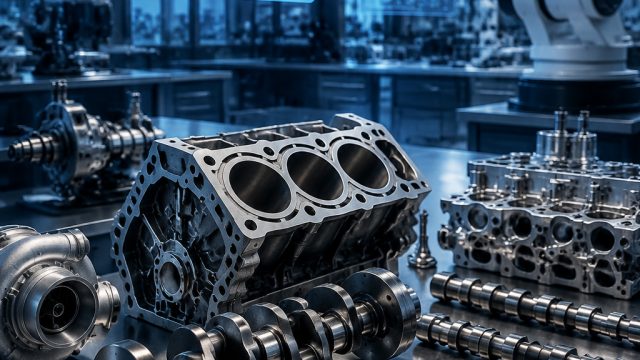
The automotive industry is undergoing a seismic shift, with innovations in auto parts and engine components setting the stage for a new era of performance and efficiency. As we advance through 2023, it's essential for both manufacturers and consumers to stay informed about these critical developments. This guide highlights the latest trends that are reshaping the landscape of auto parts and components.
The Rise of Electric Vehicles and Its Impact on Auto Components
Electric vehicles (EVs) are no longer just a trend; they are becoming mainstream. As EV adoption continues to accelerate, the demand for specific auto parts and components is evolving. Here’s how:
- Battery Technology: The heart of an electric vehicle lies in its battery. Innovations in battery design, such as solid-state batteries, promise longer ranges and faster charging times.
- Lightweight Materials: To maximize efficiency, manufacturers are increasingly using lightweight materials for components. This not only enhances performance but also contributes to better energy efficiency.
- Smart Technology: Integration of smart technology in auto parts, like sensors and autonomous driving systems, enables enhanced safety and performance.
Aftermarket Auto Parts Innovation: A Closer Look
The aftermarket sector is witnessing remarkable innovation, providing car owners with options that enhance vehicle longevity and performance. Key trends include:
1. Advanced Engine Components
Manufacturers are developing high-performance engine components that cater to both petrol and diesel engines. These innovations focus on:
- Improved fuel efficiency
- Lower emissions
- Enhanced compatibility with alternative fuels
2. Customization and Personalization
More consumers are looking to personalize their vehicles. The parts market has responded with:
- Custom exhaust systems
- Aesthetic enhancements like body kits and wraps
- Performance upgrades tailored to specific driving styles
The Importance of Sustainability in Auto Parts Manufacturing
Sustainability is becoming a crucial factor in every industry, and automotive manufacturing is no exception. Environmental regulations are pushing companies to innovate towards greener practices. Key elements include:
- Recyclable Materials: Manufacturers are exploring materials that can be reused or recycled, reducing the overall environmental footprint.
- Energy-Efficient Production: Innovations aimed at reducing energy consumption during manufacturing processes are gaining traction.
- Life Cycle Assessments: Companies are increasingly conducting life cycle assessments to evaluate the environmental impact of auto parts from production to disposal.
The Role of Technology in Enhancing Auto Part Accessibility
With the rise of e-commerce, accessing auto parts has never been easier. Numerous websites now offer comprehensive catalogs of components, promoting convenience and choice. Key technological advancements include:
1. Enhanced Online Marketplaces
Websites dedicated to auto parts, like lansiq.com, provide:
- User-friendly interfaces for easy navigation
- Detailed product descriptions and reviews
- Options for comparing different parts
2. Virtual and Augmented Reality
Some retailers are using AR technology, enabling customers to visualize how certain parts fit into their vehicles before making a purchase.
3. Artificial Intelligence
AI-driven algorithms help recommend parts based on previous purchases, enhancing the shopping experience.
Conclusion: Staying Ahead in the Evolving Auto Parts Landscape
The automotive industry is rapidly evolving, with innovations in auto parts and engine components leading the charge. Keeping abreast of these trends is essential for manufacturers, suppliers, and consumers alike. As electric vehicles continue to take the market by storm and sustainability becomes a priority, the choices we make today will shape the future of automotive technology. By staying informed and adapting to these changes, you can ensure you're not just keeping up but thriving in this dynamic industry.