
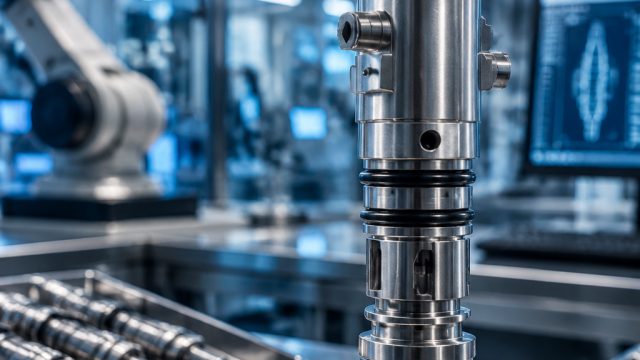
Revolutionizing Automotive Technology: The Future of Injector Bodies
As the automotive industry continues to evolve, injector technology stands out as a critical component influencing engine performance and efficiency. Recent trends highlight a significant shift towards advanced injector bodies that optimize fuel delivery and enhance engine responsiveness. Understanding these developments is essential for manufacturers and enthusiasts keen on staying ahead in this competitive market.
The Importance of Injector Technology
Injector bodies play a pivotal role in the combustion process, directly impacting vehicle power, fuel efficiency, and emissions. As regulations become stricter and consumer demands grow for greener technologies, innovations in injector designs are not just beneficial but necessary.
Market Growth and Opportunities
The injector body market is experiencing rapid growth, driven by several factors:
- Technological Advances: Enhanced materials and designs lead to higher efficiency and performance.
- Regulatory Changes: Stricter emissions standards push manufacturers to adopt better injector technologies.
- Consumer Demand: An increasing desire for fuel-efficient and high-performance vehicles.
Current Trends in Injector Body Designs
Recent analyses reveal intriguing trends shaping the future of injector bodies:
Integration of Smart Technologies
Innovations such as integrated sensors and adaptive controls are becoming more common in injector designs. These technologies allow for real-time monitoring and adjustment, ensuring optimal fuel delivery under varying conditions. Such advancements are leading to:
- Improved engine performance
- Reduced emissions
- Enhanced fuel economy
Shift Towards Lightweight Materials
Manufacturers are increasingly focusing on lightweight materials to create more efficient injector bodies. This shift not only reduces overall vehicle weight but also enhances performance by minimizing energy loss. Options include:
- Composite materials
- Advanced plastics
- Aluminum alloys
The Challenge of Compliance and Standardization
As the market evolves, compliance with international standards becomes a major concern. Manufacturers must navigate a complex landscape of regulations to ensure their products meet safety and performance criteria. Key points include:
Understanding Global Regulations
With different regions having specific emission standards, it is crucial for manufacturers to remain informed about the evolving legislation. This involves:
- Regularly updating product designs
- Investing in R&D to stay compliant
Importance of Quality Assurance
Maintaining high-quality production processes is essential for ensuring product reliability. This involves:
- Implementing strict quality control measures
- Partnerships with reputable suppliers
Conclusion: The Road Ahead
The future of injector bodies in the automotive market is bright, characterized by innovation and the continuous pursuit of efficiency and compliance. As manufacturers adapt to these changes, enthusiasts and buyers alike should keep an eye on emerging technologies and trends. Understanding these shifts is crucial for anyone involved in the automotive industry.
As we move forward, the integration of advanced technologies and adherence to regulatory standards will define the trajectory of injector body development. Investing in knowledge and staying updated will empower stakeholders to make informed decisions in this dynamic landscape.