
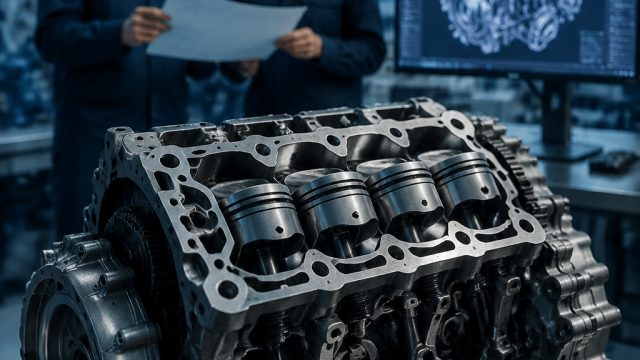
The Future of Engine Components: Innovations Driving the Automotive Industry
The automotive industry is undergoing a significant transformation, with advancements in technology reshaping the design and functionality of engine components. As vehicles become more complex and environmentally friendly, the role of innovative auto parts has never been more crucial. In this article, we will explore the latest trends and technologies in engine components, shedding light on how they are creating a more efficient and powerful driving experience.
Embracing Electric Powertrains
One of the most notable shifts in the automotive industry is the rise of electric vehicles (EVs). With major manufacturers investing heavily in electric powertrains, the components that support these systems are at the forefront of innovation. Modern EV engines utilize lightweight materials and advanced cooling systems to enhance performance and efficiency. Companies are now focusing on developing components that not only provide power but also increase driving range and reduce charging times.
Advanced Engine Materials
Material science is playing a vital role in the evolution of engine components. Innovations in materials such as carbon fiber and aluminum alloys are making engines lighter and more fuel-efficient. These materials offer superior strength-to-weight ratios, which is essential for improving vehicle performance. As manufacturers prioritize sustainability, the development of recyclable and eco-friendly materials is also becoming a priority in automotive engineering.
Smart Engine Management Systems
The integration of smart technologies in engine components is revolutionizing how vehicles operate. Advanced engine management systems now utilize artificial intelligence (AI) and machine learning to optimize performance in real time. These systems analyze driving patterns and environmental conditions to automatically adjust engine parameters for increased efficiency and reduced emissions. This not only enhances vehicle performance but also extends the lifespan of engine components through better maintenance practices.
Impact on Maintenance and Service
As engine components evolve, so do the approaches to maintenance and service. Traditional service intervals are being replaced with data-driven insights, thanks to telematics and IoT (Internet of Things) technology. Vehicle owners can now receive alerts about potential issues before they become severe, allowing for proactive maintenance. This shift not only reduces repair costs but also minimizes downtime and enhances overall vehicle reliability.
Conclusion
The future of engine components is bright, with innovations that promise to enhance the performance, efficiency, and sustainability of automotive vehicles. As the industry continues to embrace electric powertrains, advanced materials, and intelligent management systems, consumers can look forward to a new era of automotive excellence. Staying informed about these developments is essential for anyone involved in the automotive sector, from manufacturers to car enthusiasts.
At lansiq.com, we are dedicated to providing the latest information on engine components and auto parts. Join us as we explore the future of the automotive industry and discover how these innovations will shape the vehicles of tomorrow.