
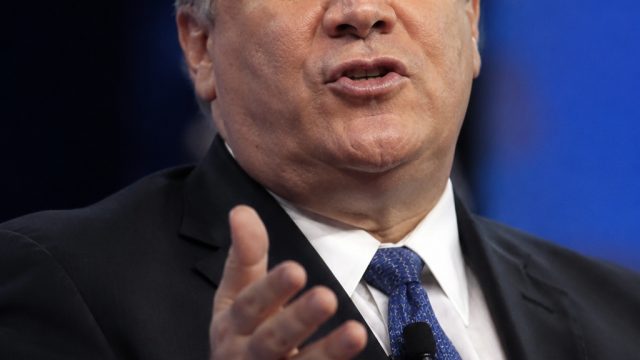
In a significant development in U.S. foreign policy, former Secretary of State and CIA Director Mike Pompeo has publicly criticized the recent Memorandum of Understanding (MOU) signed by President Trump and Vice President JD Vance with Iran. This agreement, he argues, could have dire consequences for American security and the stability of the Middle East. With the geopolitical landscape constantly evolving, Pompeo's insights serve as a crucial reminder of the complexities involved in negotiating with nations like Iran.
Understanding the New Iran Agreement
The MOU signed by the Trump administration aims to facilitate economic relief for Iran, allowing the regime to sell oil and potentially stabilize its economy. However, Pompeo's apprehensions stem from the belief that such agreements could inadvertently rehabilitate a regime he deems "irredeemable." He emphasizes that this deal could send a message that the actions of the Iranian government, particularly in terms of regional aggression and human rights violations, are tolerable in exchange for economic benefits.
Key Concerns Raised by Pompeo
- Empowerment of the Iranian Regime: Pompeo argues that providing economic relief could empower Iran's authoritarian regime, allowing it to strengthen its influence in the region.
- Impact on U.S. Allies: The agreement may destabilize relationships with key U.S. allies in the Middle East, particularly Israel and Saudi Arabia, who view Iran as a significant threat.
- Risk of Nuclear Proliferation: There are concerns that easing sanctions could lead to a resurgence in Iran's nuclear ambitions, jeopardizing international security.
The Current Geopolitical Landscape
As the world grapples with an increasingly multipolar power dynamic, the actions of the U.S. in relation to Iran have far-reaching implications. Analysts suggest that the timing of this MOU comes amid heightened tensions in the region, with Iran's expanding influence in places like Syria, Iraq, and Yemen raising alarm bells. Pompeo's caution highlights the necessity for a careful approach in U.S.-Iran relations.
Broader Implications for U.S. Foreign Policy
This latest development is not just about Iran; it reflects the broader challenges facing U.S. foreign policy under the Trump administration. The potential normalization of relations with Iran could set a precedent for how the U.S. negotiates with other hostile regimes. Here are some broader implications:
- Shifts in Diplomatic Strategy: The approach toward Iran may signal a shift in how the U.S. engages with other nations deemed adversarial.
- Domestic Political Ramifications: The agreement could lead to increased scrutiny and division within American politics regarding foreign policy strategies.
- International Reactions: Other global powers are likely to closely monitor the U.S.'s actions, which could influence their diplomatic strategies in the Middle East.
Conclusion: The Path Forward
As the debate surrounding the Iran deal continues, Pompeo's critique serves as a vital touchpoint for understanding the complexities of U.S. foreign policy. His warning against empowering what he describes as an "irredeemable regime" resonates with many who advocate for a more stringent approach to negotiations with Iran.
In the coming months, it will be essential for policymakers to weigh the potential benefits of engagement against the risks posed by a regime that has historically acted against U.S. interests. The outcomes of such agreements will not only shape the future of U.S.-Iran relations but will also influence the broader geopolitical landscape, proving that the stakes remain high in this enduring conflict.