
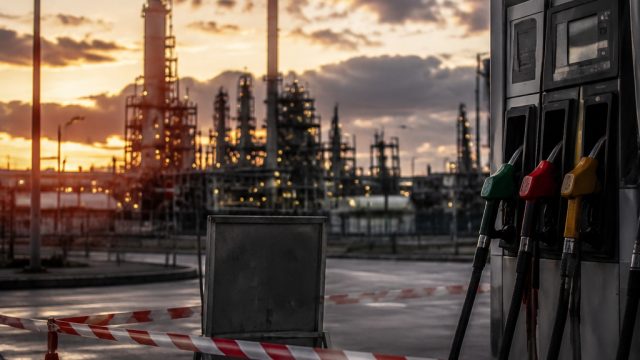
The ongoing conflict in Ukraine has escalated into a significant crisis for Russia, affecting its energy exports and causing global ripple effects. With the recent discussions around a potential diesel export ban, the implications of this situation are profound. Fuel shortages are not just a domestic issue for Russia; they are poised to influence the international energy market significantly.
Current Developments: The Push for Diesel Export Restrictions
In light of the ongoing Ukrainian strikes targeting Russian refineries, the Russian government is contemplating a ban on diesel exports. This move is primarily to prioritize domestic fuel needs amid a tightening supply, caused by both the conflict and strategic military operations. As a result, Russian officials are examining the feasibility of supplying fuel imports to stabilize their own market.
Why This Matters Now
The urgency of this situation cannot be understated. The diesel export ban could lead to major disruptions in global supply chains and energy prices. As nations grapple with energy transition challenges and rising fuel prices, Russia's shift could exacerbate existing market tensions.
The Global Impact of Russia's Fuel Crisis
As one of the world's largest exporters of diesel fuel, Russia’s decision to restrict exports could send shockwaves throughout the global market. Here are some key areas that could be affected:
- Rising Fuel Prices: A decrease in diesel fuel availability could lead to increased fuel prices worldwide, affecting both consumers and businesses.
- Supply Chain Disruptions: Industries reliant on diesel, such as transportation and manufacturing, may face significant operational challenges.
- Geopolitical Tensions: This situation could further strain Russia's relationships with other nations, particularly in Europe, where reliance on Russian fuel has historically been high.
Domestic Implications for Russia
The internal consequences of potential diesel export restrictions are equally significant. By prioritizing domestic supply, Russia may be attempting to stabilize its economy amidst the conflict's pressures. However, this strategy also carries risks and challenges:
Economic Consequences
Reducing exports to focus on domestic needs could lead to economic stagnation for Russia. With revenues from energy exports forming a substantial part of the national budget, this ban could have dire financial implications:
- Budget Shortfalls: A significant drop in export revenue may force the government to reconsider its spending plans.
- Public Discontent: As fuel becomes scarce or more expensive domestically, public dissatisfaction could rise.
- Future Investment: Investors may be wary of committing to the Russian market if fuel supply issues remain unresolved.
Potential Alternatives for Russia
In response to a potential fuel crisis, Russia might explore several alternatives to mitigate the impact of its export ban:
- Increased Domestic Production: Focusing on enhancing local refinery capacities may help address domestic shortages.
- New Trade Partnerships: Seeking partnerships with countries less affected by sanctions could provide alternative markets for Russian fuel.
- Energy Diversification: Investing in renewable energy sources may help reduce long-term dependence on fossil fuels.
Conclusion: The Road Ahead
The unfolding fuel shortage crisis in Russia serves as a critical reminder of the interconnectedness of the global energy market. As Russia contemplates a diesel export ban, the implications will likely resonate far beyond its borders. Stakeholders in various industries should monitor these developments closely, as they may need to adapt swiftly to the evolving landscape of energy supply and demand. The situation remains fluid, and its potential ramifications could reshape energy strategies globally in the coming months.