
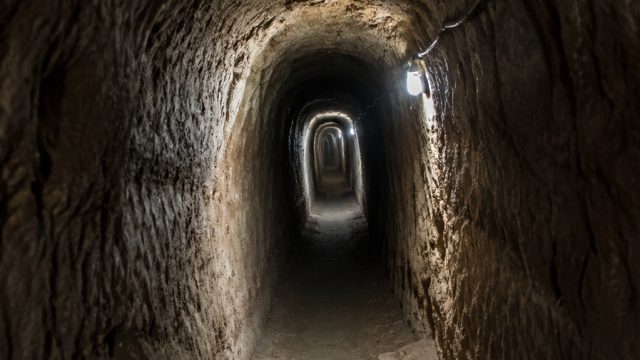
The recent discovery of an extensive tunnel system in southern Lebanon has sent shockwaves across the Middle East, raising urgent questions about regional security and the potential for escalated conflict. While geopolitical tensions have simmered for years, this development signifies a critical turning point that warrants close examination.
The Tunnel Network: A Closer Look
Reports suggest that the tunnel network, believed to be constructed with Iranian support, serves multiple strategic purposes for Hezbollah, a key player in Lebanon's political landscape. These tunnels not only facilitate the movement of weapons but also provide tactical advantages in the event of conflict. The complexity and breadth of this network indicate a well-planned investment in military infrastructure, which is alarming for both Israel and its allies.
Why This Matters Now
The timing of this discovery is particularly concerning. As tensions between Israel and Iran continue to escalate, with Iran allegedly using Lebanon as a staging ground for its proxy operations, the ramifications of this tunnel network extend beyond military strategy. Understanding the impact on international relations is critical.
- Increased Tensions: The find has certainly heightened military readiness on Israel's part. The Israeli Defense Forces (IDF) are now more vigilant, prepared for any offensive actions from Hezbollah.
- Impact on Civilian Life: The existence of such infrastructure can put Lebanese civilians at risk, as military targets often disrupt daily life.
- Geopolitical Repercussions: The United States and other Western nations must navigate their responses carefully, as a misstep could escalate conflicts further.
International Reactions and Implications
In light of these developments, international reactions have varied. The United States has expressed support for Israel’s right to defend its sovereignty, while also advocating for diplomatic solutions to avoid further militarization. Regional players are watching closely, as any moves made by Israel in response to the tunnel network could spark a broader conflict.
Potential Responses
Several strategies could be considered by the international community and regional powers, including:
- Increased Intelligence Sharing: Countries may enhance cooperation to monitor Hezbollah's movements and other proxy activities in the region.
- Diplomatic Engagement: Initiatives to bring all parties to a negotiating table could help in de-escalating tensions.
- Strengthened Sanctions: Imposing tighter sanctions on Iran could limit its ability to support proxy organizations like Hezbollah.
The Broader Context: Regional Stability at Stake
The implications of this tunnel network discovery extend far beyond Lebanon's borders. The intricate web of alliances and enmities within the Middle East means that any conflict could rapidly escalate into a larger regional war. This concern is compounded by the ongoing proxy battles where nations like Iran and Saudi Arabia vie for influence over allied groups.
Long-Term Consequences
As tensions rise, the potential for a longer conflict involving multiple countries looms large. The risks are not just military; they also threaten to destabilize economies and create humanitarian crises. This situation calls for immediate attention and a thoughtful approach to diplomacy.
- Humanitarian Impact: Continued conflict can lead to increased displacement and suffering for civilians.
- Economic Strain: Regional economies may suffer from instability, affecting trade and security investments.
- Long-term Stability: A focus on sustainable solutions is needed to prevent reoccurring cycles of violence.
Conclusion: A Collective Responsibility
As the world watches the unfolding situation in Lebanon, it is crucial for all stakeholders to engage constructively. The hidden tunnel network symbolizes not just a military challenge but a complex geopolitical landscape where peace must be prioritized. The international community must find a balanced approach that addresses security concerns while advocating for stability and humane treatment of civilians caught in the crossfire. Now more than ever, cooperative efforts and strategic dialogues are essential to navigate this precarious moment in history.