
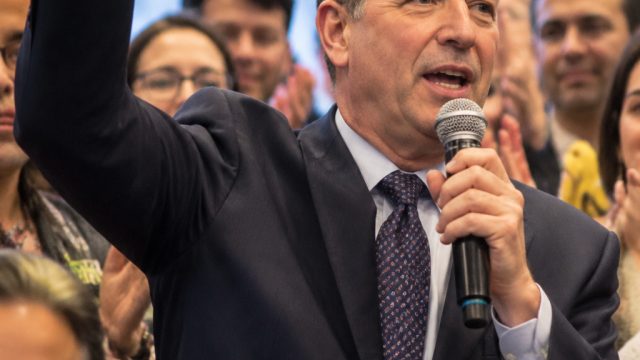
In a surprising turn of events that has sent ripples through the political landscape of New York, former City Comptroller Brad Lander has emerged victorious in the Democratic primary against incumbent Representative Dan Goldman. This development marks a significant shift in the state's political dynamics and raises questions about the future direction of the Democratic Party in New York.
The Rise of Brad Lander
Brad Lander's victory is a testament to his ability to connect with voters, particularly the progressive base within the Democratic Party. Backed by prominent figures such as Mamdani, Lander's campaign focused on issues that resonate deeply with constituents, including affordable housing, climate change, and income inequality.
Why This Matters Now
As New York gears up for what could be a contentious election season, Lander’s win underscores a critical moment for the Democratic Party. With rising concerns over economic disparities and social justice, progressive candidates are gaining traction, signaling a potential shift away from more centrist candidates.
Implications for the Democratic Party
Lander's win is not just a personal victory; it reflects a broader trend within the Democratic Party towards more progressive policies and candidates. This pivot could redefine the party’s strategies leading into the next election cycle. Following Lander’s success, we can expect to see:
- Increased support for progressive legislation.
- More candidates emerging from grassroots movements.
- Potential challenges to established party members.
Challenges Ahead
Despite the enthusiasm around Lander's campaign, he faces significant challenges ahead. Uniting various factions within the party will be essential to maintain momentum. Furthermore, the general election will likely present unforeseen obstacles from both Democratic and Republican opponents who will seek to capitalize on any weaknesses.
Voter Engagement and Turnout
The primary election demonstrated a heightened level of voter engagement, which is crucial for the Democratic Party's future. Lander's campaign utilized innovative strategies to mobilize young voters and progressives, focusing on:
- Community outreach initiatives.
- Social media campaigns targeting younger demographics.
- Engagement through local events and discussions.
The Role of Technology in Modern Campaigning
In today's political climate, technology plays a pivotal role in how campaigns are run. Lander's effective use of digital platforms to reach voters reflects a broader trend among candidates seeking to leverage technology for enhanced outreach. As we move towards the general elections, expect to see:
- Increased reliance on data analytics to target specific voter groups.
- Innovative uses of social media to engage and inform voters.
- Online fundraising efforts to bolster campaign resources.
Conclusion: A New Era for New York Politics
Brad Lander’s victory over Dan Goldman is not merely a personal achievement but a significant marker of the shifting tides within New York's political scene. As the Democratic Party grapples with the need for cohesion and strategy, Lander's win could inspire a wave of progressive candidates to challenge the status quo. With pivotal elections on the horizon, the implications of this primary will likely reverberate throughout the state and even the nation, shaping the Democratic narrative for years to come.