
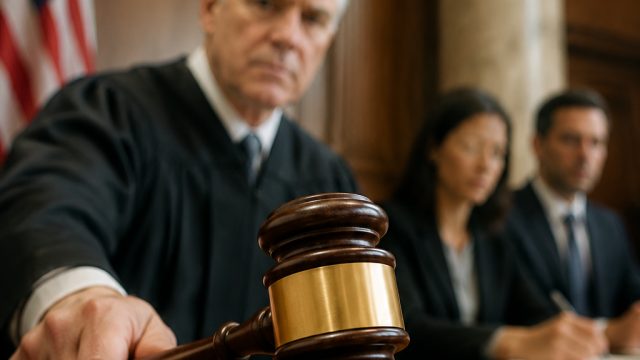
In a landmark decision, a federal judge has prohibited the Trump administration from executing arrests at immigration courts across the country. This ruling marks a significant shift in how immigration enforcement operates within the judicial system and is expected to have wide-ranging implications for individuals seeking asylum or involved in immigration proceedings.
The Context of the Ruling
The case arose from concerns that arrests made by Immigration and Customs Enforcement (ICE) at courthouses hindered individuals from accessing legal recourse. Many advocates argued that the fear of arrest would deter immigrants from participating in court proceedings, effectively undermining their rights to a fair trial and due process.
The Legal Arguments
- Impact on Legal Access: Advocates for immigrants contended that courthouse arrests create a chilling effect, preventing individuals from seeking assistance from the justice system.
- Constitutional Rights: The defense highlighted that the right to a fair trial underpins the U.S. legal system, and arrests at courthouses violate these constitutional guarantees.
- Precedent for Future Cases: This ruling may set a precedent for further legal challenges against aggressive immigration enforcement tactics.
Immediate Reactions to the Decision
The news of the ruling has sparked various responses from legal experts, immigration advocates, and policymakers. Many view this decision as a victory for immigrant rights, while others express concerns over its potential effects on national security and public safety.
Support from Advocacy Groups
Organizations such as the American Civil Liberties Union (ACLU) hailed the ruling as a necessary step towards ensuring justice for all individuals, regardless of their immigration status. They assert that courts should remain safe spaces for everyone seeking legal advice or representation.
Concerns from Law Enforcement Officials
On the flip side, some law enforcement officials worry that restricting ICE's ability to conduct arrests at courthouses may embolden criminal activities. They argue that effective immigration enforcement is crucial for maintaining public safety.
Analyzing the Nationwide Implications
The ruling does not just affect individual cases; it signals a larger shift in U.S. immigration policy. As courts begin to adjust to these changes, legal systems across the country will likely re-evaluate how they handle immigration-related cases.
Potential Changes in Court Protocols
- Increased Legal Representation: There may be a surge in demand for legal representation as individuals feel safer attending court.
- Shifts in ICE Strategy: ICE may have to develop new protocols for enforcing immigration laws without resorting to courthouse arrests.
- Public Awareness Campaigns: Advocacy groups might launch campaigns to inform immigrants of their rights, improving overall legal awareness.
Looking Ahead: Future Legal Challenges
This ruling is likely the beginning of a series of legal challenges concerning immigration enforcement. As public sentiment shifts towards more humane treatment of immigrants, we can expect further scrutiny of policies that have historically been deemed aggressive or unjust.
Continuing the Conversation
The dialogue surrounding immigration enforcement will remain a contentious topic. It is essential for stakeholders, from policymakers to community members, to engage in constructive discussions about how to balance law enforcement with the protection of individual rights.
Conclusion
The recent federal judge’s ruling stopping ICE from making arrests at immigration courts represents a critical moment in U.S. history. As the implications of this decision unfold, it is vital for all stakeholders to stay informed and involved in shaping the future of immigration policy. This ruling not only affects the legal landscape but also the lives of countless individuals navigating the complex and often daunting immigration system.