
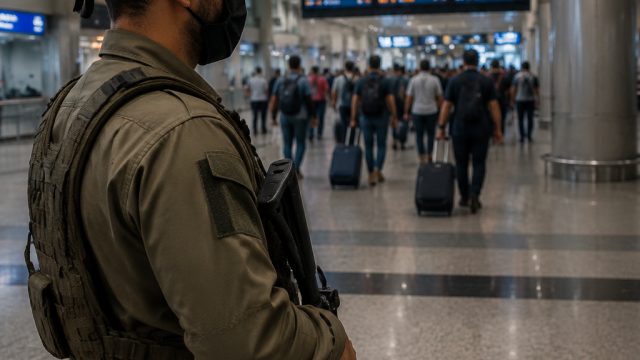
In a significant development, Libya's eastern government has announced a ban on the entry of nationals from four African countries. This decision, made amid rising political and security concerns, reflects the complex dynamics in the region. As nations grapple with various challenges, this move raises questions about the implications for both security and international relations.
The Context Behind the Ban
The backdrop for this ban involves ongoing concerns regarding security and migration across the Mediterranean. The eastern Libyan administration, which has its own set of governance challenges, has expressed apprehensions about potential risks associated with migrants entering the region from these countries. Although specific motivations for the restrictions have not been fully detailed, it is evident that the government is prioritizing national security amidst a backdrop of instability.
Potential Implications for Travelers
This travel ban could significantly impact individuals planning to visit Libya for work, tourism, or other purposes. Here are a few key considerations:
- Increased Difficulty for Travelers: Nationals from the affected countries may find it more challenging to access Libya, leading to disruptions in travel plans.
- Economic Impact: The restrictions could hinder economic ties between Libya and these nations, affecting trade and investment opportunities.
- Migration Challenges: Increased restrictions may push migrants to seek alternative routes, leading to further complications in neighboring countries.
Regional Reactions and Diplomatic Consequences
As news of the travel ban spreads, reactions from other countries are likely to emerge. Diplomats and policymakers in the region are expected to assess the broader implications of this decision. Here’s what we might anticipate:
Heightened Tensions
The unilateral action taken by Libya’s eastern government may pave the way for increased tensions with neighboring countries, particularly those that are home to the affected nationals. Diplomatic channels may become strained as governments voice their concerns about the implications for their citizens.
Calls for Dialogue
In light of these developments, there may be calls for dialogue and cooperation among African nations to address the underlying issues surrounding migration and security. Collaborative efforts could foster a more stable environment that benefits all parties involved.
Understanding the Bigger Picture
This travel ban is not merely a local issue; it reflects a broader narrative affecting many regions globally. The intersection of migration, security, and politics is increasingly relevant, and countries must navigate these complex waters carefully. As we observe this situation unfold, it’s essential to consider how international relations play a role in shaping national policies.
Future Considerations
As Libya’s eastern government continues to enforce these restrictions, stakeholders within and outside of the region must consider several factors:
- Long-term Stability: Will these measures lead to a more stable environment, or will they exacerbate tensions?
- Economic Recovery: How will trade dynamics shift as a result of this ban?
- Humanitarian Concerns: How will this impact migrants and refugees seeking safety?
Conclusion
The travel restrictions imposed by Libya's eastern government underscore the delicate balance between national security and international relations. As the situation develops, it’s crucial for observers to stay informed about the effects of such policies on travelers and regional stability. By understanding these dynamics, we can better appreciate the complexities of governance in a rapidly changing world.