
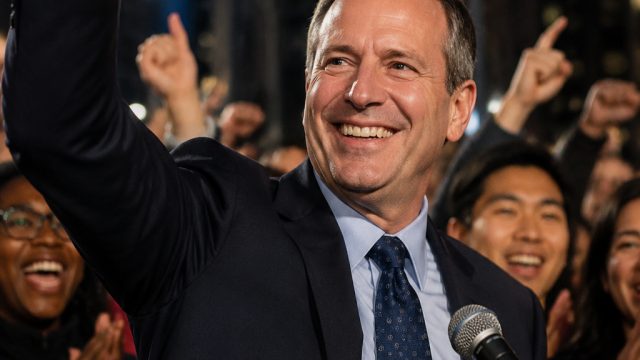
In a surprising turn of events, Brad Lander has emerged victorious in his challenge against incumbent Representative Dan Goldman. This shift in the political landscape marks a significant moment for not only Lander and Goldman but also for the broader political landscape as progressive values gain traction.
The Context of the Challenge
The political scene has been ripe for change, especially within the party dynamics. Lander's campaign has been fueled by a growing demand for progressive policies, a factor that has resonated deeply with constituents. As issues like climate change, social justice, and economic inequality gain prominence, candidates like Lander are positioning themselves as champions of these causes.
The Rise of Progressive Politics
Lander's success can be attributed to the increasing popularity of left-wing ideologies among voters. His platform emphasized:
- Universal healthcare
- Green energy initiatives
- Affordable housing solutions
- Criminal justice reform
This appeal to progressive values speaks volumes about the electorate's changing preferences. Voters are increasingly seeking representatives who align with their ideals rather than party lines.
Goldman’s Tenure and Its Challenges
Dan Goldman, who previously held the seat, faced challenges during his term that may have contributed to Lander's victory. Issues such as:
- Perceptions of inaction on key issues
- Disconnection from grassroots movements
- Struggles to communicate effectively with constituents
highlighted a gap between his policies and the desires of the electorate. These hurdles have opened the door for challengers like Lander, who can tap into the growing dissatisfaction.
Implications for Future Elections
Lander's victory is not just a personal win; it has implications for future elections across the country. It signals a potential shift wherein traditional political strategies may need re-evaluation. As progressive candidates gain ground, incumbents may find it increasingly challenging to maintain their positions without adapting to the electorate's evolving demands.
What Lies Ahead for Lander?
Looking forward, Brad Lander has a significant opportunity to implement the changes he promised during his campaign. However, the real test will be in translating campaign rhetoric into actionable policies. His priorities will likely include:
- Engaging with community leaders and grassroots organizations
- Launching initiatives that align with his platform
- Ensuring transparency and communication with constituents
The effectiveness of these strategies will determine not only his success but also the viability of progressive policies in the current political climate.
A New Era in Politics?
Lander's win could mark the beginning of a new trend in American politics—one that prioritizes direct engagement with voters and progressive ideals. As more progressive candidates prepare for upcoming elections, the political arena could very well transform, leading to significant policy changes.
Conclusion: A Call to Action
As the dust settles from this electoral shift, it’s essential for voters to remain engaged and informed. Brad Lander’s victory showcases the power of grassroots movements and the importance of aligning political actions with constituents' needs. This pivotal moment encourages all voters to reflect on their priorities and advocate for the changes they wish to see in their communities.