
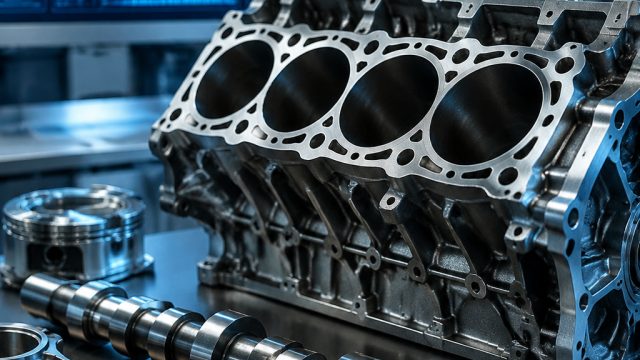
The Future of Automotive Engine Components: Trends to Watch
The automotive industry is constantly evolving, with engine components playing a crucial role in this transformation. As technology advances and consumer preferences shift, understanding the trends that will shape the future of automotive engine parts is essential for both manufacturers and consumers.
1. Shift Towards Electrification
One of the most significant trends is the transition from internal combustion engines to electric vehicles (EVs). This shift has led to a re-evaluation of engine components, emphasizing the importance of electric motors, battery packs, and regenerative braking systems. As manufacturers invest in EV technology, traditional parts may become obsolete, making way for innovative solutions.
2. Lightweight Materials
To enhance fuel efficiency, manufacturers are focusing on lightweight materials. Advanced composites and alloys are being utilized to reduce the weight of engine components without sacrificing performance. This trend is not only environmentally friendly but also contributes to better vehicle handling and acceleration.
3. Enhanced Performance through Technology
Technology is revolutionizing automotive engine components. Integration of IoT (Internet of Things) devices allows for real-time monitoring of engine performance, leading to more efficient maintenance practices. Additionally, AI-driven analytics can predict component failures before they occur, minimizing downtime and repair costs.
4. Sustainability in Manufacturing
As environmental concerns grow, manufacturers are adopting sustainable practices in producing engine components. This includes using recycled materials, reducing waste, and optimizing production processes to minimize carbon footprints. The industry is moving towards a circular economy, where products are designed for longevity and recyclability.
5. Adaptation to Regulatory Standards
With stricter emissions regulations worldwide, automotive manufacturers must adapt their engine components to comply with these standards. Innovations such as turbocharging, direct fuel injection, and improved catalytic converters are becoming commonplace to meet these new requirements while maintaining performance.
Conclusion
The future of automotive engine components is promising, with numerous trends poised to influence vehicle performance and efficiency. Staying informed about these developments is crucial for anyone engaged in the automotive industry, whether as a manufacturer, service provider, or consumer.