
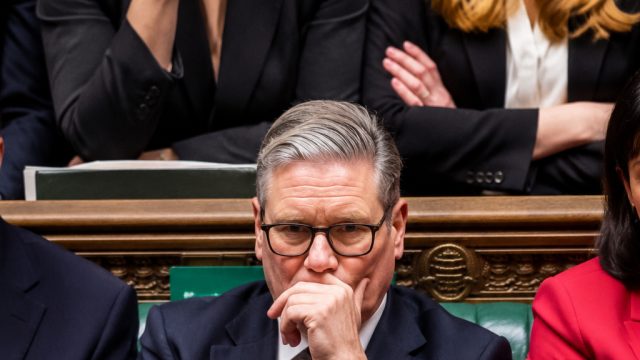
Labour Party Faces Internal Turmoil as Leadership Questions Arise
The Labour Party is currently engulfed in a whirlwind of political maneuvering as MPs deliberate on a potential leadership challenge to prevent what they perceive as the inevitable coronation of Andy Burnham. With Keir Starmer's recent resignation creating a vacuum at the top, the implications for the party's future are significant, prompting urgent discussions among its members.
The Stakes of Leadership in Labour
The exit of Keir Starmer as Prime Minister has left Labour in a precarious position. Starmer, once a unifying figure, has stepped down amid growing frustrations with his leadership style and electoral results. The party now finds itself at a crossroads, grappling with the question of who should lead them forward. With Andy Burnham emerging as a prominent candidate, his ascent could alter the party's trajectory significantly.
Why Andy Burnham?
Burnham, the Mayor of Greater Manchester, has a reputation for his charisma and ability to connect with the electorate. His leadership style is characterized by a strong emphasis on community engagement and social justice issues. This has garnered him a dedicated following within the party and among the public, raising concerns among some MPs about the implications of his potential uncontested rise to leadership.
Concerns from Within the Party
As discussions unfold, not all within Labour are convinced that Burnham is the right choice. Several MPs are voicing their concerns regarding a lack of competition in the leadership race. They argue that a challenge is essential not only to ensure the best candidate emerges but also to encourage deeper conversations about the party’s direction, policies, and strategies ahead of the next election.
- Decentralization of Power: Many MPs seek to decentralize authority within the party, arguing that Burnham’s leadership could reinforce a top-down approach, limiting voices from diverse constituencies.
- Policy Divergence: Some party members worry that Burnham's focus may not align with broader Labour policies, particularly concerning economic reform and social issues.
- Future Elections: With the general election looming, the urgency for a strong, unifying leader has never been more critical, prompting MPs to consider their options carefully.
What’s Next for Labour?
The party is at a pivotal moment, and the decision-making process surrounding leadership could have lasting implications. Burnham’s rise is not just a personal milestone; it symbolizes a larger conversation about Labour's identity and values. How the party navigates this crisis could define its position in the UK political landscape for years to come.
Potential Leadership Contenders
If the internal challenge to Burnham gains traction, several figures may emerge as contenders vying for the leadership position:
- David Lammy: The current Shadow Foreign Secretary, Lammy is considered a strong candidate with significant experience in government.
- Lisa Nandy: As Shadow Secretary of State for Levelling Up, Nandy’s focus on regional issues could resonate with the party's base.
- Rosena Allin-Khan: A rising star within Labour, Allin-Khan brings a fresh perspective and could attract younger voters.
The Public’s Reaction
Public interest in the leadership challenge is palpable, with many citizens expressing their views on social media and through polls. Reactions have been mixed, reflecting the diverse opinions on Burnham’s leadership potential. Some view him as a beacon of hope for Labour, while others express skepticism about his ability to unite the party.
Engaging with Voters
The party's ability to engage meaningfully with its electorate will be crucial in the coming months. As MPs weigh their options, they must consider how to communicate effectively with voters and address their concerns about leadership and policy direction. This is a vital time for Labour to demonstrate that it is listening and responding to the needs of the people it serves.
Conclusion: A Call to Unity
The Labour Party is at a defining moment. As MPs deliberate on their next steps to either rally behind Burnham or challenge his rise, the importance of unity cannot be overstated. The ability to forge a collective identity and direction will be essential as Labour strives to regain its footing in UK politics. Whether through camaraderie or competition, the party must work together to navigate the challenges ahead.