
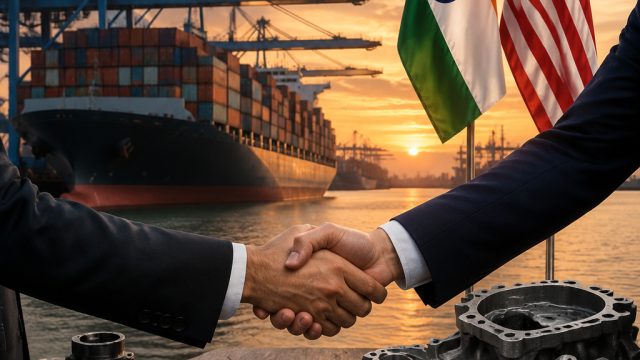
The anticipated India-US trade agreement is on the verge of finalization, with the July 24 deadline approaching swiftly. As both nations prepare to finalize the deal, businesses and economic analysts are keenly observing the developments, given the significant impact it may have on global trade dynamics.
The Current State of Negotiations
In recent weeks, discussions between India and the United States have intensified, focusing on a variety of trade issues including tariffs, intellectual property rights, and market access. The urgency surrounding these negotiations has escalated, especially in light of the economic challenges posed by the pandemic and changing global market conditions.
Key Areas of Focus
- Tariff Reductions: One of the main objectives of the trade deal is to lower tariffs on a range of goods, enhancing trade flows between the two nations.
- Intellectual Property Rights: Both countries aim to establish clearer guidelines to protect intellectual property, which is crucial for strengthening business investments.
- Access to Markets: Improving access for Indian goods in the US market and vice versa remains a priority, with discussions underway on various sectors.
Why This Deal Matters Now
The urgency of finalizing the India-US trade agreement cannot be overstated. As the global economy faces uncertainties, strengthening bilateral trade relations can offer mutual benefits. This deal is particularly critical for the following reasons:
Economic Recovery Post-Pandemic
Both economies are on paths to recovery from the severe impacts of the COVID-19 pandemic. A successful trade deal can act as a catalyst for economic growth, providing new opportunities for businesses and creating jobs.
Geopolitical Implications
The trade deal also carries significant geopolitical weight. As nations reassess their trade relationships in the wake of global tensions, a robust India-US partnership can enhance both countries' standings on the international stage and promote stability in the Indo-Pacific region.
Potential Challenges Ahead
While the prospects of the trade agreement are promising, various challenges may arise during the finalization process. Key concerns include:
- Domestic Opposition: Both Indian and US lawmakers may have reservations regarding certain aspects of the trade deal, which could complicate negotiations.
- Compliance and Implementation: Ensuring that both parties adhere to the agreed terms is critical. Questions regarding enforcement mechanisms could lead to future disputes.
Looking Forward
As the deadline approaches, stakeholders from various sectors—including agriculture, technology, and manufacturing—are closely monitoring the developments. The final agreement is expected to be a comprehensive framework that not only addresses current trade issues but also sets the stage for future cooperation.
Conclusion
The impending India-US trade agreement holds the potential to reshape the economic landscape for both countries. With negotiations nearing completion, the implications of this deal extend far beyond tariffs and market access. As businesses prepare for the changes that may come, staying informed and proactive will be essential to leverage the opportunities that arise from this significant economic partnership.