
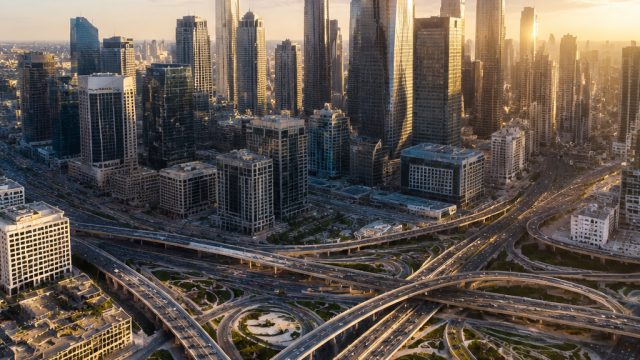
In the ever-evolving landscape of urban development, the rise of super skyscrapers represents a monumental shift in how cities are designed and built. These towering structures not only redefine skylines but also challenge conventional engineering practices, pushing the boundaries of technology and creativity. As cities grapple with rapid population growth and the need for sustainable living spaces, understanding the significance of these architectural giants has never been more critical.
The Emergence of Super Skyscrapers
Super skyscrapers, defined as buildings exceeding 300 meters in height, are more than just engineering feats; they are symbols of modernity and ambition. Cities like New York, Dubai, and Shanghai have embraced this trend, showcasing structures that are not only taller but also more innovative than their predecessors. The architectural race to construct the next iconic skyscraper reflects broader economic and cultural aspirations, making it a significant trend worth examining.
The Technological Innovations Behind Skyscrapers
Recent advancements in construction technology have played a pivotal role in the rise of super skyscrapers. New materials, such as high-strength concrete and advanced steel alloys, allow for greater height and structural stability. Additionally, innovations like modular construction and 3D printing enable quicker and more efficient building processes. These technologies not only reduce costs but also improve safety and sustainability, addressing some of the biggest challenges faced by urban developers today.
- High-strength concrete: Allows for lighter, taller structures.
- Advanced steel alloys: Increase resilience against extreme weather.
- Modular construction: Enables faster assembly and reduced waste.
- 3D printing: Offers unprecedented design flexibility.
Environmental Impact and Sustainability
As cities expand vertically, sustainability becomes a top priority. Modern skyscrapers are increasingly designed with eco-friendly features, such as green roofs, energy-efficient systems, and waste-recycling facilities. These features not only reduce the carbon footprint of buildings but also contribute to the overall health of urban environments. By integrating nature into their designs, architects are creating spaces that foster well-being and community engagement.
Why Super Skyscrapers Matter Now
The need for super skyscrapers is underscored by the current global trends of urbanization and climate change. With more than half the world's population living in urban areas, cities must adapt to accommodate this influx. Super skyscrapers offer a solution by maximizing space while minimizing land use. Moreover, they serve as a response to climate concerns, as many are designed to be energy-efficient and resilient to environmental challenges.
The Economic Implications
Investing in super skyscrapers can significantly impact local economies. These structures attract businesses, tourism, and residents, leading to increased job creation and economic growth. Furthermore, the construction of super skyscrapers often revitalizes surrounding neighborhoods, fostering development and enhancing property values. In times where economic stability is crucial, the potential of these buildings to stimulate growth cannot be overlooked.
Challenges Faced in Super Skyscraper Development
Despite their advantages, the construction of super skyscrapers does not come without challenges. Issues such as regulatory hurdles, financing, and public safety must be addressed. Developers must navigate complex zoning laws and secure substantial investment to fund these massive projects. Additionally, ensuring the safety and comfort of occupants in such high-rise buildings poses unique challenges for architects and engineers alike.
Conclusion: The Future is Tall
As we look to the future of urban development, super skyscrapers will undoubtedly play a crucial role in how cities evolve. These towering structures represent more than just architectural ambition; they embody the potential for innovation, sustainability, and economic growth. By embracing the challenges and opportunities presented by super skyscrapers, we can create urban environments that are not only functional but also inspiring for generations to come.