
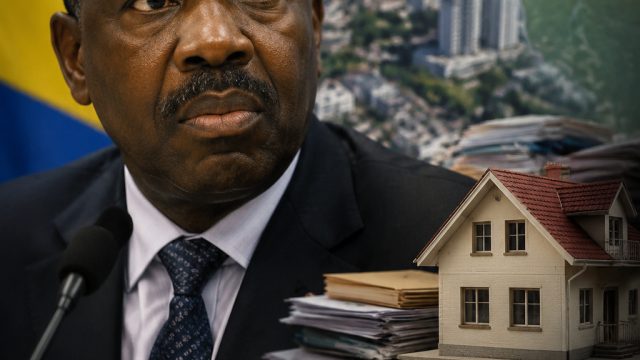
The recent revelations about Fabrice Albert Andjoua Ondimba Bongo, son of the late President Omar Bongo of Gabon, have sent shockwaves through the political landscape. As the country grapples with its governance challenges, these findings highlight potential corruption within the ranks of its leaders. An investigation has surfaced detailing Andjoua's acquisition of a significant property portfolio in Dubai while he was serving as a high-ranking government official.
Understanding the Context of the Allegations
The Organized Crime and Corruption Reporting Project (OCCRP) brought to light crucial details regarding Andjoua's financial dealings during his tenure overseeing Gabon's budget. This revelation raises questions not only about the ethical implications of his actions but also about the systems of accountability in place within Gabon's government.
Who is Fabrice Albert Andjoua Ondimba Bongo?
Fabrice Albert Andjoua Ondimba Bongo is not just a name associated with Gabon's political elite; he is the son of one of the longest-serving presidents in African history, Omar Bongo. His family's political legacy is intertwined with Gabon's history, marked by authority and, controversially, allegations of corruption.
The Details of the Property Acquisitions
According to the OCCRP investigation, Andjoua amassed millions of dollars worth of real estate in Dubai, a city known for its luxurious properties and booming economy. The acquisitions, which he reportedly made while holding a public office responsible for budget management, have ignited discussions about transparency and integrity in governance.
- Multi-Million-Dollar Portfolio: The extent of his property investments raises eyebrows about potential conflicts of interest.
- Timing: These acquisitions were made as Gabon continued to struggle with economic challenges and public discontent.
- Location: Dubai’s real estate market has been a magnet for wealthy investors, yet the source of Andjoua’s funds is now under scrutiny.
The Implications for Gabon's Governance
These revelations do more than just implicate one individual; they cast a shadow over Gabon's entire governance structure. Public trust in government officials is paramount for a functioning democracy. When high-ranking officials engage in questionable financial practices, it undermines confidence in the system as a whole.
Public Reaction and Calls for Accountability
The Gabonese people, already facing numerous socio-economic issues, have reacted with a mix of outrage and resignation. There is a growing call for accountability and transparency in governance, demanding that officials be held responsible for their actions.
Future Actions and Potential Reforms
As public pressure mounts, the government may face increased demands to implement reforms aimed at enhancing transparency and curbing corruption. Here are some potential measures that could be beneficial:
- Strengthening Oversight Bodies: Enhance the capacity and independence of agencies responsible for monitoring public officials' financial activities.
- Implementing Strict Reporting Requirements: Mandate that public officials disclose their assets and income to prevent conflicts of interest.
- Encouraging Whistleblower Protections: Create safe channels for individuals to report corruption without fear of retaliation.
Conclusion: A Call for Change
The case of Fabrice Albert Andjoua Ondimba Bongo serves as a stark reminder of the challenges many countries face in combating corruption and ensuring that public officials act in the best interests of their citizens. As Gabon navigates this turbulent period, the need for greater accountability and reform has never been more critical. With increased public scrutiny, there is hope that meaningful changes can be made to restore trust in the government and protect the nation's future.