
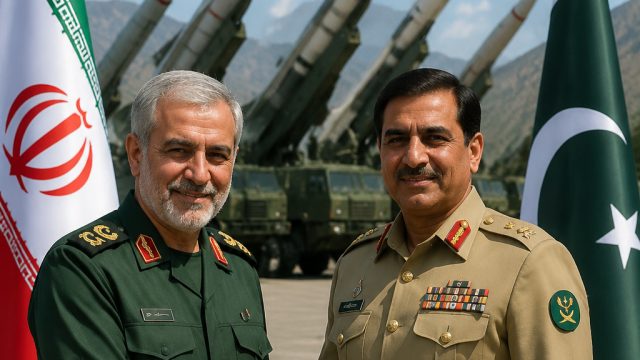
In a significant diplomatic exchange, Iranian President Masoud Pezeshkian and Pakistani Prime Minister Shehbaz Sharif recently reaffirmed that their latest agreement does not encompass Iran's ballistic missile development. This clarification is vital in the context of evolving geopolitical dynamics and rising concerns over regional stability.
Context of the Agreement
The memorandum of understanding (MoU) between Iran and Pakistan reflects a broader aim for enhanced cooperation. Yet, both leaders were keen to emphasize that ballistic missiles remain a separate issue, unattached to their ongoing dialogues. This distinction is crucial as tensions escalate globally around missile capabilities and arms control.
Regional Implications
The affirmation from both governments highlights the unique position of Iran and Pakistan in the geopolitical landscape. As other nations eye their missile programs warily, the clear delineation of ballistic missile concerns signifies a commitment to peace and stability in the region.
- Strengthening bilateral relations with a focus on non-aggression.
- Reassuring neighboring countries and global powers about their intent.
- Maintaining a strategic balance amidst external pressures.
Broader Geopolitical Dynamics
This clarification comes at a time when many countries are reevaluating their defense strategies due to changing global circumstances. The relationship between Iran and Pakistan is under scrutiny, especially with rising tensions in other parts of the world.
External Reactions
International observers and policymakers will likely dissect this announcement for insights into future defense policies in South Asia and the Middle East. Understanding the nuances of this MoU may also provide context for upcoming international negotiations and discussions surrounding missile technology and arms agreements.
Why This Matters Now
The geopolitical landscape has shifted dramatically in recent years, with several nations enhancing their military capabilities. The issue of ballistic missiles is particularly sensitive, igniting discussions about arms races and defense strategies. By clarifying their stance, Iran and Pakistan are attempting to mitigate fears and prevent misunderstandings that could escalate tensions further.
Moving Forward
As we witness a world increasingly defined by its military capabilities, the Iranian and Pakistani governments must focus on collaboration that promotes peace and security. The clarification surrounding their missile programs may serve as a basis for more in-depth discussions on mutual security interests in the future.
Conclusion
In conclusion, the reaffirmation by Iran and Pakistan regarding their ballistic missile programs is a crucial statement in the context of current geopolitical tensions. It not only underscores their commitment to diplomatic relations but also highlights their intent to foster stability in a region that has often been fraught with conflict. As international dynamics continue to evolve, the implications of this announcement will be critical to watch.