
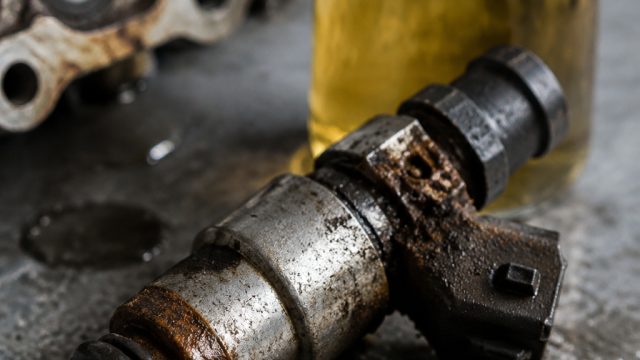
The Hidden Dangers of Ethanol in Fuel: Impact on Vehicle Maintenance
As fuel technology evolves, the rising use of ethanol-blended fuels has prompted many vehicle owners to reconsider their maintenance practices. Recent findings reveal the emergence of black fungus in fuel tanks, a troubling consequence that can significantly affect vehicle performance and maintenance costs.
The Rise of Ethanol in Fuel Blends
In an effort to promote cleaner-burning fuels, many governments have pushed for the incorporation of ethanol into gasoline. This biofuel, derived primarily from corn and sugarcane, is touted for its ability to reduce greenhouse gas emissions. However, the implications of ethanol on vehicle systems are becoming a growing concern.
Understanding the Black Fungus Phenomenon
One of the most alarming effects of ethanol in fuel is the development of black fungus within the fuel tank. This fungus thrives in moist environments, which can be exacerbated by ethanol’s tendency to absorb water from the atmosphere. When moisture accumulates, it creates an ideal breeding ground for bacteria and fungi that can clog fuel lines and filters.
Impact on Fuel Efficiency
The presence of black fungus can lead to deteriorated fuel efficiency. Drivers may notice a marked decrease in mileage, forcing them to refuel more frequently. In addition to increased fuel consumption, the need for more regular servicing can lead to unexpected expenses.
Cost Implications of Ethanol-Related Maintenance
With the rise in black fungus issues, vehicle owners face a double-edged sword: decreased mileage combined with increased servicing costs. The need for comprehensive maintenance can significantly strain budgets, especially for those who rely on their vehicles for daily commuting or business operations.
Surging Servicing Costs
As black fungus and other ethanol-related issues proliferate, servicing costs have doubled for some vehicle owners. The need for regular tank cleaning, fuel filter replacements, and potentially costly repairs on engines affected by contaminated fuel can quickly add up.
Key Maintenance Considerations
- Regular inspection of fuel systems for signs of moisture.
- Utilizing fuel additives that combat moisture and fungal growth.
- Engaging in proactive maintenance to minimize risk factors associated with ethanol.
Steps to Protect Your Vehicle
To mitigate issues stemming from ethanol use, vehicle owners should adopt specific habits aimed at preserving their cars' fuel systems.
1. Fuel Selection
Choosing the right fuel is critical. Opt for reliable suppliers that offer low-ethanol or ethanol-free gasoline, when possible. Understanding the composition of your fuel can help in making informed decisions.
2. Regular Maintenance
Establishing a regular maintenance schedule is essential. Consider these tips:
- Schedule periodic fuel system inspections.
- Use moisture-absorbing products during fueling.
- Keep fuel tanks full to minimize condensation.
3. Awareness of Symptoms
Be vigilant about symptoms that signal potential fuel system problems:
- Decreased engine performance or power losses.
- Increased fuel consumption.
- Engine warning lights appearing on the dashboard.
Conclusion: A Call to Action for Vehicle Owners
The implications of using ethanol-blended fuel are more than just theoretical; they have tangible effects on vehicle performance and maintenance costs. By understanding the potential risks and implementing preventative measures, vehicle owners can protect their investments and ensure smoother operation. Stay informed and proactive—your vehicle's longevity depends on it.