
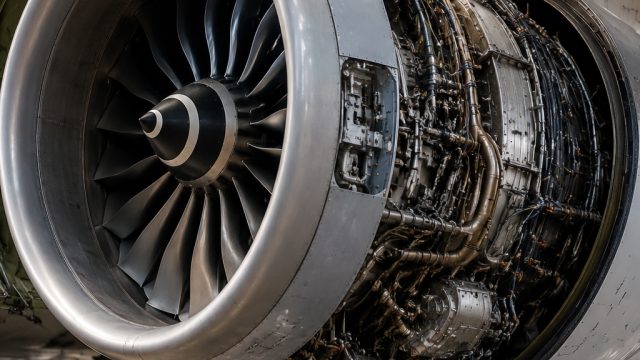
In recent months, Rolls-Royce has been steadily reclaiming its status as a leader in the aviation industry, primarily through its development of advanced aircraft engines. Notably, the powerplant for the Airbus A350 has emerged as a critical factor in this turnaround. As the aviation sector continues to recover from the challenges posed by the pandemic, the implications of Rolls-Royce's innovations resonate strongly within the industry today.
The Role of the A350 in Rolls-Royce's Comeback
The Airbus A350, recognized for its fuel efficiency and advanced technology, has proven to be a boon for Rolls-Royce. The Trent XWB engines that power this aircraft have become a cornerstone of the company's strategy to enhance its market position. With airlines increasingly focusing on sustainability and operational efficiency, the demand for high-performance engines like the Trent XWB is on the rise.
Market Trends and the Demand for Efficiency
- Airlines are prioritizing fuel-efficient aircraft to reduce operational costs.
- The global push for sustainability drives interest in newer, cleaner engines.
- Rolls-Royce is adapting its engineering prowess to align with market needs.
Innovation at the Core of Rolls-Royce
Innovation has always been at the heart of Rolls-Royce's operations. The company's commitment to research and development enables it to stay ahead of competitors in the aerospace sector. The Trent XWB not only offers enhanced performance but also incorporates technologies designed for lower emissions, directly addressing the growing concerns about climate change.
Key Innovations in the Trent XWB
- Advanced materials that withstand higher temperatures and pressures.
- Streamlined aerodynamics for improved fuel efficiency.
- Smart engine analytics for real-time performance monitoring.
The Financial Implications of a Revived Rolls-Royce
As Rolls-Royce's market position strengthens, the financial implications for investors and stakeholders in the aviation industry become increasingly positive. The company has been focusing on cost reduction while simultaneously investing in future technologies, setting the stage for a robust recovery. Analysts suggest that the successful rollout of the A350 and its engines could bolster Rolls-Royce's revenue streams in the coming years.
Financial Strategies for Recovery
- Streamlining operations to enhance profitability.
- Investing in innovative technologies to ensure future growth.
- Fostering strategic partnerships and alliances within the aerospace sector.
Conclusion: A Bright Future Ahead
Rolls-Royce's focus on innovation and efficiency, especially through the success of the Airbus A350, signifies a turning point for the company. As the aviation industry recovers, the emphasis on sustainable and efficient aircraft engines will continue to drive demand. With its strategic advancements, Rolls-Royce is not just surviving; it is positioning itself for a promising future in aviation. Stakeholders and industry professionals alike should keep a keen eye on this evolving story, as it holds significant implications for the entire aerospace sector.