
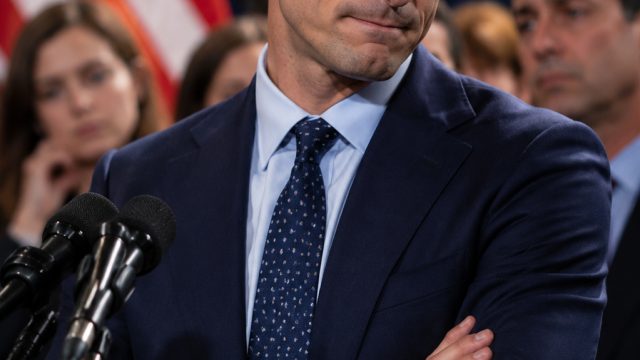
In a surprising outcome, Jack Schlossberg, the grandson of the iconic President John F. Kennedy, has experienced a significant setback in his first attempt at public office. Despite the historical weight of his family name and the buzz surrounding his candidacy, the results from New York's Democratic primary indicate that voters opted for a different representation for the party. This defeat not only marks a pivotal moment in his political journey but also opens up discussions about the influence of legacy in modern politics.
Understanding the Election Landscape
The Democratic primary in New York is known for its competitive nature, especially with a candidate like Schlossberg stepping into the race. His entry was met with excitement, partly due to his lineage, but it also raised questions about the viability of legacy candidates in today’s political arena. The dynamics of voter sentiment have shifted significantly, with many looking beyond family names to seek authentic connections and practical solutions.
The Role of Family Legacy in Politics
Family legacies can be a double-edged sword in political campaigns. On one hand, they provide instant recognition and a sense of trustworthiness; on the other hand, they can lead to heightened expectations. Here are some factors to consider:
- Expectations: Candidates like Schlossberg carry the weight of their family history, which can lead to unrealistic voter expectations.
- Voter Connection: Modern voters are increasingly prioritizing personal stories and genuine engagement over familial ties.
- Relevance: The relevance of a historical figure's influence may fade in an era where new challenges arise, demanding fresh perspectives.
Insights from the Election Results
This election cycle proved crucial not just for Schlossberg but also for understanding broader electoral trends. As results filtered in, some key insights emerged:
Voter Priorities and Trends
Voter choices in this primary reflected a desire for candidates who resonate with contemporary issues. Some notable priorities included:
- Policy Over Name: Many voters emphasized the importance of concrete policies rather than the allure of a famous last name.
- Engagement: Active engagement and transparency were critical. Candidates who effectively communicated their plans often found favor.
- Diversity of Voices: There's a growing preference for diverse voices in political spaces, challenging traditional norms.
What Lies Ahead for Jack Schlossberg?
While this loss in the Democratic primary is undoubtedly a setback, it is also a turning point for Schlossberg. The path forward will require reflection and strategic planning. Here’s what to consider for his future endeavors:
Possible Next Steps
- Community Engagement: Strengthening ties with the community and understanding their needs can build a stronger base for future campaigns.
- Policy Development: Focusing on key issues that resonate with constituents can enhance his platform's appeal.
- Continued Advocacy: Engaging in advocacy roles or community projects can maintain his visibility and relevance.
Conclusion: A New Chapter in a Prominent Legacy
Though his first foray into public service ended in disappointment, Jack Schlossberg's journey is far from over. His experience in this election may provide critical lessons on the evolving landscape of political engagement. As he reflects on this pivotal moment, it is essential to recognize that setbacks often pave the way for growth and renewed purpose. As such, the coming years may reveal whether Schlossberg can redefine his approach to public service beyond the shadows of his storied family background.