
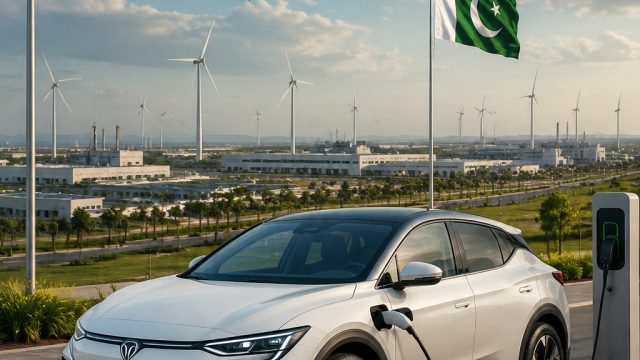
As the global automotive industry transitions towards sustainable technologies, Morocco has emerged as a shining example of successful electric vehicle (EV) implementation. With its forward-thinking policies and strategic investments, Morocco not only revolutionizes its transportation sector but also offers valuable lessons that could shape Pakistan's industrial landscape. Understanding these developments is crucial, especially as Pakistan seeks innovative solutions to enhance its own automotive sector.
The Moroccan Model: Key Milestones in Electric Vehicle Adoption
Morocco's commitment to establishing a robust electric vehicle infrastructure is evident through several key projects and initiatives. The nation has invested significantly in renewable energy sources, primarily solar and wind, to power its electric vehicles and charging networks.
Government Initiatives Driving Change
- Investment in Infrastructure: The Moroccan government has allocated substantial resources to develop EV charging stations across major cities, making it easier for consumers to transition to electric mobility.
- Incentives for Adoption: Financial incentives, such as tax breaks and subsidies for EV buyers, have successfully stimulated market interest and demand.
- Collaborations with Industry Leaders: Partnerships with global automotive manufacturers have facilitated technology transfers and local production, enhancing Morocco's domestic capabilities.
Lessons for Pakistan: Adapting the Moroccan Success Story
For Pakistan, now is the time to leverage Morocco's experiences to foster its own electric vehicle industry. The need for sustainable transportation solutions has never been more urgent as urbanization and environmental concerns rise.
Enhancing Local Manufacturing Capabilities
One of the primary takeaways from Morocco's success is the importance of developing local manufacturing capabilities. By investing in local production facilities, Pakistan can decrease dependency on imported vehicles and create jobs in the process.
Creating Policy Incentives
Adopting policies similar to those in Morocco could significantly boost EV adoption in Pakistan. Implementing tax incentives or rebates for electric vehicle purchases could entice consumers and businesses to switch from traditional combustion engines.
Shaping Consumer Behavior: Educating the Public
A pivotal aspect of Morocco's EV success has been public awareness and education regarding the benefits of electric vehicles. For Pakistan, implementing educational campaigns about the environmental and economic advantages of EVs could drive consumer interest and acceptance.
Engaging the Youth and Tech-Savvy Population
- Online Gaming Platforms: With a rise in online games no download required, there is an opportunity to engage younger audiences through virtual events that promote electric vehicles.
- Free Virtual Games: Utilizing gamification can help in educating the public about EV technology and its benefits in a fun and interactive manner.
Conclusion: A Sustainable Path Forward
Morocco's journey towards electric vehicle adoption serves as a compelling blueprint for Pakistan. By recognizing the importance of infrastructure investment, local manufacturing, and consumer education, Pakistan can take significant strides towards a sustainable future.
The necessity for change is urgent, and by adapting Morocco's successes, Pakistan can cultivate a thriving electric vehicle industry that aligns with global trends, enhances its automotive sector, and contributes to a cleaner, greener environment.