
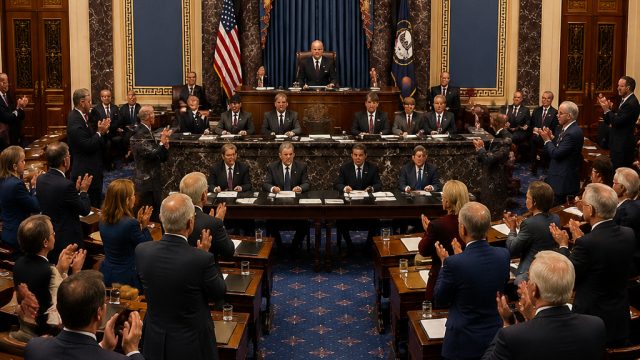
The U.S. Senate has made headlines this week by passing a significant resolution aimed at curtailing military hostilities involving Iran. With tensions escalating in the region, this vote reflects a growing desire among lawmakers to assert control over U.S. military actions abroad. As Congress takes a stand, this decision is shaping up to be a pivotal moment for American foreign policy.
Understanding the Resolution's Context
The Senate's decision comes in the wake of ongoing debates about presidential war powers and the extent of military engagement without congressional approval. Over the past few years, the U.S. has faced numerous military entanglements, prompting lawmakers from both parties to rethink how military decisions are made.
What Led to This Vote?
- Heightened Tensions: Increasing military confrontations in the Middle East have raised concerns about potential escalation.
- Public Opinion: A growing number of Americans are questioning the wisdom of prolonged military involvement in foreign conflicts.
- Congressional Authority: Lawmakers are asserting their constitutional role in decisions related to war and peace.
Key Provisions of the Resolution
The resolution passed by the Senate is not merely symbolic; it carries specific directives aimed at curtailing military actions. Key provisions include:
- Directing the President to remove U.S. military forces engaged in hostilities against Iran.
- Requiring a report on the status of U.S. military forces in the region within a specified timeframe.
- Establishing parameters for future military action, emphasizing the need for congressional approval.
Implications for U.S. Foreign Policy
This resolution is significant not just for its immediate effects but for its broader implications on U.S. foreign policy. It signals a shift towards a more collaborative approach between the executive and legislative branches concerning military strategy and engagement. This may lead to:
- Increased Congressional Oversight: Lawmakers may seek to rein in executive power over military decisions.
- Focus on Diplomacy: With military options being scrutinized, there may be a greater emphasis on diplomatic solutions to conflicts.
- Public Engagement: As discussions around war powers gain traction, public awareness and engagement in foreign policy matters could increase.
What’s Next for the Administration?
Following the Senate vote, the Trump administration faces the challenge of balancing military commitments with the directives laid out by Congress. The administration’s response will be closely watched, as it may set a precedent for future interactions between the presidency and Congress regarding military action.
Key Questions Moving Forward
As this situation unfolds, several key questions arise:
- How will the administration respond to the Senate's directive?
- Will this lead to a broader movement towards limiting presidential war powers?
- What strategies will the U.S. employ in the Middle East moving forward, particularly in relation to diplomatic engagements?
Conclusion: A Turning Point in Military Engagement
The Senate's vote to block military hostilities with Iran marks a critical juncture in U.S. foreign policy. With lawmakers taking a stand against unchecked military action, the implications of this resolution could resonate far beyond the immediate military context. As the country transitions toward a potentially more diplomatic approach, it is vital for citizens and policymakers alike to stay informed and engaged on these significant changes in military governance.