
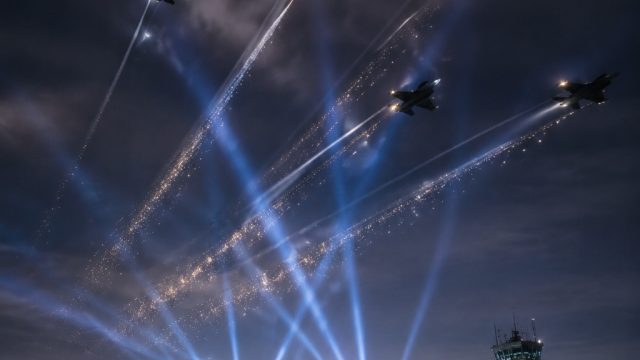
In a significant advancement for aviation safety, Belarus has developed a cutting-edge display technology aimed specifically at enhancing the visibility of pilots during night flights. With the aviation industry continually evolving, this new display system promises not only to improve visibility but also to redefine the standards for nighttime flying. Why does this development matter now? As the world sees an increase in air travel, ensuring the safety and efficiency of night operations becomes paramount.
The Importance of Night Flight Safety
Night flying poses unique challenges for pilots, from limited visibility to potential navigational hazards that are less detectable in darkness. It is crucial to equip pilots with the tools they need to operate safely and efficiently. The introduction of this new display technology addresses these critical issues, helping to reduce the risks associated with night operations.
Key Features of the New Display
- Enhanced Visibility: The display utilizes advanced lighting and graphics capabilities to improve clarity and detail in low-light conditions.
- Real-Time Data: Pilots receive up-to-date information on air traffic, weather conditions, and navigational aids, all presented in a user-friendly interface.
- Intuitive Controls: The system is designed for ease of use, minimizing distractions and allowing pilots to focus on flying.
Implications for the Aviation Industry
This innovation is expected to have wide-reaching implications across the aviation sector, not only in Belarus but globally. As airlines and pilots recognize the potential benefits of improved night flight operations, we may see a shift in industry standards and practices. This technology is likely to set a new benchmark for what is expected in aviation displays.
Potential Impact on Pilot Training
With the introduction of this new display technology, pilot training programs may also need to adapt. Enhanced training materials will be vital to ensure that pilots can effectively navigate using the new systems. This could lead to improved competency and confidence in flying at night.
Global Relevance and Future Trends
As various countries invest in aviation technology, it is crucial for manufacturers and developers worldwide to stay ahead of the curve. The advancements made in Belarus may prompt similar innovations in other regions, leading to a competitive push for better safety features in aviation systems. This trend aligns with the growing emphasis on technology-driven solutions across industries, responding to the increasing demand for reliable and safe aviation practices.
Challenges Ahead
- Implementation Costs: Integrating new technologies into existing aircraft can be expensive and time-consuming.
- Regulatory Approvals: New systems must undergo rigorous testing and approval processes before they can be widely adopted.
- Market Adoption: It may take time for airlines to fully embrace and invest in the latest technologies.
Conclusion
As Belarus unveils its innovative aviation display for night flights, the aviation community watches closely. This technology not only promises improved safety for pilots and passengers alike but also sets the stage for future advancements in aviation. With the industry's continual push for innovation, it is clear that the future of night flying looks brighter than ever. As aviation technology evolves, so too will the expectations and experiences of pilots and passengers around the globe.