
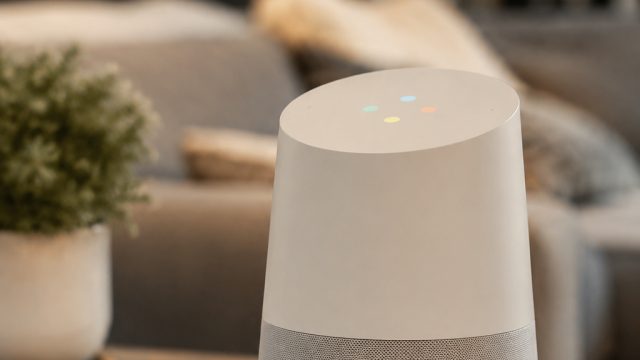
The tech world is buzzing as Google unveils its latest product, the Google Home Speaker, powered by the advanced Gemini AI technology. This launch marks a significant moment in the smart home device landscape, which has seen rapid growth and innovation in recent years. However, along with excitement, the release has sparked discussions regarding certain hardware choices that have raised eyebrows among tech enthusiasts and consumers alike.
Understanding the New Features of the Google Home Speaker
With a price point of around $100, the new Google Home Speaker is designed to compete effectively in a crowded market dominated by giants like Amazon and Apple. The integration of Gemini technology promises enhanced performance and user experience, making it a noteworthy addition to the smart home ecosystem. Here are some of its standout features:
- Enhanced Voice Recognition: The new speaker boasts improved voice command capabilities, enabling seamless interaction even in noisy environments.
- Multi-Room Audio Support: Users can now sync multiple Google Home Speakers for an immersive audio experience throughout the home.
- Customizable Smart Home Control: The device allows for tailored configurations to manage various smart home devices effectively.
Why Gemini Matters in Smart Technology
Gemini AI technology is the backbone of the Google Home Speaker, offering a more personalized experience. This technology adapts to user preferences over time, enabling smarter responses and enhanced interaction. It reflects a shift in how smart devices operate, focusing on individualized user engagement rather than a one-size-fits-all approach.
Controversial Hardware Decisions
Despite the promising features, the launch has not been without controversy. Some experts have criticized Google for making hardware decisions that seem counterintuitive. Notably, the company has phased out popular models like the Nest Mini and Nest Audio, leaving loyal consumers puzzled about the direction of Google’s smart home strategy.
Consumer Reactions to Hardware Changes
Many users have taken to social media and forums to express their concerns regarding the discontinuation of familiar models. Some key points raised by consumers include:
- Loss of Familiarity: Long-time users of the Nest series feel disconnected from the new product line.
- Concerns Over Compatibility: Questions have emerged regarding how well the new speaker will integrate with existing devices.
- Value for Money: Some consumers are wary about whether the new features justify the cost.
The Future of Smart Home Devices
The release of the Google Home Speaker signifies a compelling chapter in the evolution of smart home technology. As consumers adapt to the rapid changes and updates in this industry, understanding the shifts in product offerings is crucial. The combination of advanced AI features and consumer feedback will play a significant role in shaping future innovations.
Looking Ahead
As we look toward the future, it will be essential for Google to navigate consumer expectations while pushing the boundaries of technology. The company’s ability to listen to and address feedback will determine the success of the Google Home Speaker and its related products in a highly competitive market.
Conclusion
In conclusion, the launch of the Google Home Speaker represents a significant advancement in smart technology, backed by the promising Gemini AI. However, the associated hardware controversies highlight the importance of consumer sentiment in the tech industry. As Google aims to enhance user experience, it must also remain attuned to the needs and concerns of its user base. For now, the tech community eagerly anticipates how well the new speaker performs in real-world applications.