
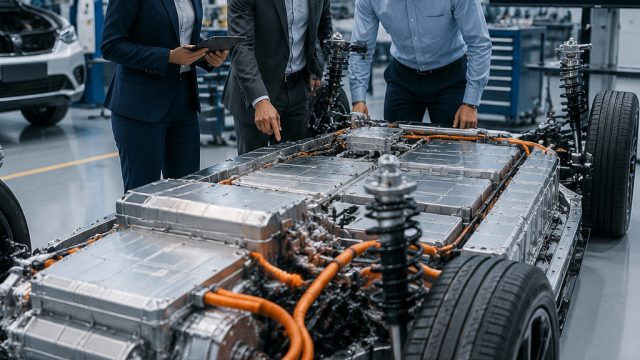
As the global automotive industry continues to evolve, India is becoming a focal point for electric vehicle (EV) technology driven by Chinese innovations. Recent developments have revealed that Chinese EV tech is successfully entering the Indian market through strategic platform partnerships, despite existing regulatory hurdles. This trend underscores a significant shift in how foreign technology is navigating India’s burgeoning automotive landscape.
The Landscape of EV Technology in India
With a burgeoning middle class and a growing emphasis on sustainability, India presents a lucrative market for electric vehicles. The government has set ambitious targets for EV adoption, aiming for 30% of all vehicles on the road to be electric by 2030. This push aligns with global trends toward cleaner energy solutions. However, the entrance of Chinese EV technology brings both opportunities and challenges.
Why Chinese EV Tech Matters Now
- Rapid technological advancement: Chinese manufacturers have made significant strides in EV technology, often outpacing their global competitors in battery production and smart technology integration.
- Cost-effectiveness: Chinese companies are known for their ability to deliver quality at competitive prices, a factor that could make electric vehicles more accessible to Indian consumers.
- Cultural synergy: Partnerships between Indian companies and Chinese tech firms may lead to innovations that cater specifically to the unique demands of the Indian market.
Platform Deals: A Gateway for Chinese Technology
Despite regulatory challenges, several Chinese automotive firms have secured platform deals with local manufacturers in India. These partnerships enable the infusion of advanced technologies into locally produced vehicles, effectively bypassing some regulatory barriers. The collaborations are diverse, focusing on areas such as battery technology, autonomous driving features, and smart connectivity solutions.
Case Studies of Successful Collaborations
Several noteworthy partnerships have emerged:
- Geely and Tata: This collaboration aims to develop electric models tailored for the Indian market, leveraging Geely's cutting-edge technology and Tata's local market knowledge.
- BYD and Mahindra: BYD's expertise in electric batteries combined with Mahindra's deep-rooted presence in India sets a strong example of how cross-border partnerships can thrive.
- SAIC and MG Motors: Through MG Motors, SAIC has introduced several electric models, showcasing how Chinese technology can evolve within the Indian automotive framework.
The Future of Indian EV Market
As Chinese EV technology continues to integrate into the Indian market, several key trends are likely to shape the future of electric vehicles:
- Increased competition: As more players enter the Indian EV market, consumers can expect a greater variety of choices, enhancing market competitiveness.
- Innovation and sustainability: With a focus on sustainable solutions, innovations in battery efficiency and charging infrastructure will likely propel the growth of the EV sector.
- Government policies: The Indian government is expected to continue its favorable policies towards EV adoption, which may further encourage foreign investments and partnerships.
Why Consumers Should Care
For the average consumer, the implications of these partnerships are significant. Access to better technologies can lead to:
- Lower costs for electric vehicles
- Enhanced vehicle performance and safety features
- Greater availability of charging infrastructure
Conclusion: Embracing Change in the Automotive Sector
As we witness the intersection of Indian automotive aspirations and Chinese technological prowess, it is clear that these developments represent a pivotal moment for the automotive industry in India. The gradual acceptance of foreign innovations may lead to a more sustainable and technologically advanced future. Stakeholders in the automotive sector should remain vigilant and adaptable as these changes unfold, ensuring that they harness the full potential of the evolving landscape.
For anyone interested in the future of electric vehicles, keeping an eye on these developments will be crucial. The integration of Chinese EV technology into India is not just a trend; it is a transformative movement that will redefine the country's automotive sector for generations to come.