
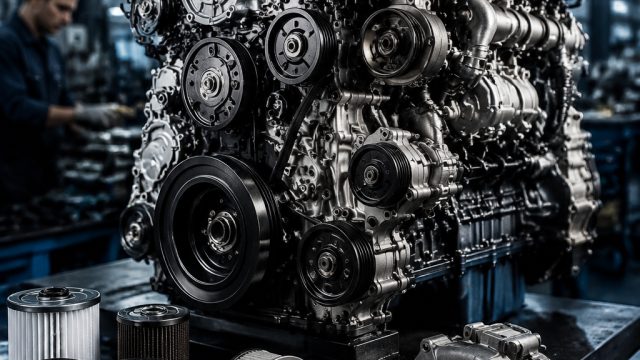
In the ever-evolving world of automotive engineering, the spotlight is currently on advancements in Cummins engine technology, particularly the compound-turbo mechanical-injection systems for the 6.7L Cummins engine. This innovation not only enhances performance but also improves efficiency, offering insights into what is next for engine components in today’s competitive market.
A New Era in Mechanical Injection Systems
The introduction of mechanical injection systems in Cummins engines marks a significant turning point in how performance is engineered. Unlike traditional systems, the mechanical approach promises precision and dependability, which are paramount for modern vehicles. As manufacturers aim for greater power and torque without sacrificing fuel efficiency, these innovations play a crucial role.
Understanding Compound Turbocharging
Compound turbocharging is at the forefront of enhancing engine performance. This system combines two turbochargers to maximize air intake, significantly boosting the engine's power output. Here’s why this is essential:
- Increased Efficiency: By optimizing airflow, compound turbocharging allows for better combustion, leading to improved fuel efficiency.
- Enhanced Power: The dual-turbo setup provides a broader power band, catering to different driving conditions and preferences.
- Improved Emissions: With better combustion, engines can produce fewer emissions, aligning with environmental standards.
Why Cummins is Leading the Charge
One of the reasons Cummins remains a dominant force in the engine market is its commitment to innovation and reliability. The company continuously invests in research and development to ensure that they are not only meeting current standards but also setting the stage for the future. This proactive approach means that consumers can expect engines that not only perform well but are also built to last.
Customer-Centric Innovations
What sets Cummins apart is its focus on customer needs. By incorporating feedback from users and industry experts, Cummins has tailored its engine technology to meet real-world demands. Here are some features that are now standard:
- Modular Design: This facilitates easier repairs and upgrades, extending the life of the engine.
- Smart Technology Integration: IoT capabilities allow for real-time monitoring and diagnostics, making maintenance more straightforward.
- Adaptive Performance: Engines can adjust their performance based on driving conditions, enhancing both efficiency and power.
The Role of Performance Parts in Enhancing Engine Lifespan
Using high-quality performance parts is crucial to getting the most out of a Cummins engine. Upgrading to components designed for better airflow, cooling, and reliability can dramatically impact how an engine operates over time. Here are some essential parts to consider:
- High-Performance Turbochargers: Upgrading can significantly increase airflow, enhancing overall engine performance.
- Advanced Fuel Injectors: Precision injectors improve fuel delivery, contributing to better combustion efficiency.
- Enhanced Cooling Systems: Keeping temperatures in check can prolong engine life and performance.
Looking Forward
As we look to the future, it’s clear that innovations in engine technology are vital to the automotive industry. With the rise of electric and hybrid vehicles, traditional engines like the Cummins 6.7L must adapt to remain relevant. The focus on performance, efficiency, and environmentally friendly solutions will shape the next wave of automotive technology.
Final Thoughts
The compound-turbo mechanical-injection system for the 6.7L Cummins engine showcases a significant leap forward in engine technology, emphasizing efficiency and performance. As manufacturers and consumers alike become more environmentally conscious, these innovations not only fulfill a demand but also redefine what is possible in automotive engineering. Staying ahead of these trends is crucial for anyone looking to invest in or upgrade their vehicle’s engine system.