
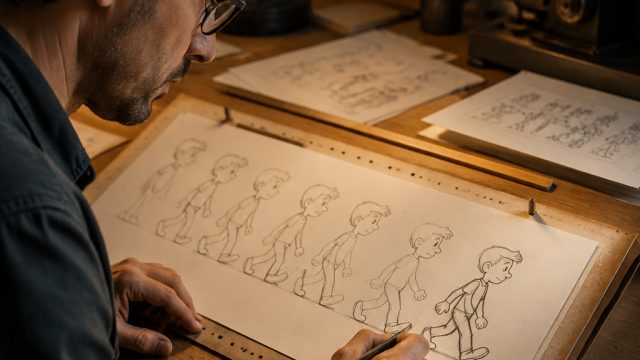
In the world of animation, the subtleties of movement can define a character's personality and appeal. As digital mediums evolve, the art of creating captivating walk cycles continues to be a fundamental skill for animators. Recently, there has been a resurgence of interest in classic animation techniques, particularly in the context of character walk cycles, prompting both professionals and enthusiasts to revisit the essentials of character animation.
The Significance of Walk Cycles in Animation
The way a character walks can convey a wealth of information to the audience. A character's gait can reflect their emotional state, personality traits, and even their backstory. Therefore, mastering walk cycles is crucial for animators looking to create relatable and engaging characters.
Understanding Walk Cycles
A walk cycle is a foundational animation technique that depicts a character walking in a loop. It consists of a series of frames that illustrate each phase of a walk, ensuring continuity and fluidity in motion. Here’s why mastering walk cycles matter:
- Character Expression: A walk cycle can express a character's mood and intentions. A lively bounce in their step can indicate excitement, while a slow, dragging pace may suggest sorrow or fatigue.
- Consistency: Continuity in animation is key. A well-executed walk cycle ensures that characters move consistently across scenes, maintaining viewer immersion.
- Time-Efficiency: Once a walk cycle is established, animators can reuse it across scenes, saving time and resources while ensuring quality.
Contemporary Approaches to Walk Cycle Animation
With the advent of advanced animation software and tools, artists today have access to a wide range of resources to enhance their walk cycles. Programs like Blender, Maya, and Toon Boom have integrated features that help streamline the animation process, allowing for more creativity and less technical hassle.
Utilizing Technology
The integration of motion capture technology has also revolutionized how animators approach walk cycles. By recording real-life movements, artists can analyze and replicate natural motion, adding a new layer of realism to their animations. However, balancing this technology with traditional hand-drawn techniques often yields the most compelling results.
Learning From the Classics
Despite the advances in animation technology, many contemporary artists draw inspiration from classic animations, such as those found in iconic video games like Xenogears. The character animation in such games showcases meticulous attention to detail, providing valuable learning experiences for today's animators.
Lessons from Iconic Games
Classic video games often used limited resources, pushing animators to maximize their creativity. Here are key takeaways from traditional animation practices that are still relevant today:
- Exaggeration: Classic animations often exaggerated movements to emphasize emotions, making characters more relatable and entertaining.
- Clear Silhouettes: A walk should be recognizable even in silhouette form, enhancing character readability in various situations.
- Timing and Spacing: Effective spacing between frames can drastically alter the perceived speed and fluidity of a walk, making it feel more lifelike.
The Future of Walk Cycles in Animation
As the animation landscape continues to shift with technology and audience preferences, walk cycles remain a crucial aspect of character development. The future of character animation will likely involve a blend of traditional techniques and modern technology, creating immersive experiences that resonate with viewers.
Why It Matters Now
The current trend in animation emphasizes diversity and representation, making the art of walk cycles even more significant. Characters that resonate with audiences are those that exhibit nuanced movements and attributes. As more creators draw upon diverse backgrounds, the need for unique and well-crafted animations becomes increasingly imperative.
In conclusion, the art of creating character walk cycles is more relevant than ever. By revisiting time-tested techniques and embracing modern advancements, animators can breathe life into characters, ensuring they not only walk but leave a lasting impression on their audiences. As we witness a resurgence in animation artistry, mastering these fundamental skills will pave the way for a vibrant future in the industry.