
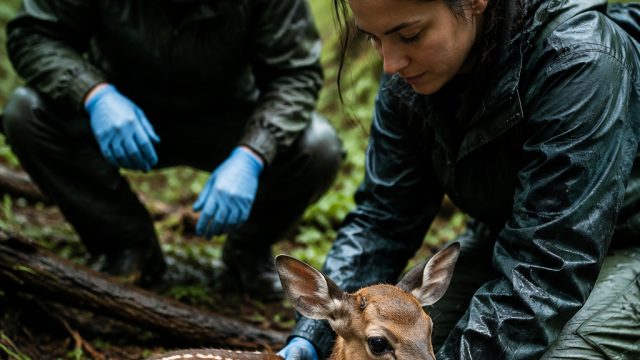
Recent events in Pelister National Park have brought to light the critical importance of wildlife protection and rescue operations. In a touching incident, park employees successfully saved a fawn that had been attacked by a stray dog. This event not only showcases the dedication of local wildlife authorities but also emphasizes the ongoing challenges faced in protecting vulnerable wildlife.
The Rescue Operation: A Collaborative Effort
The rescue was led by Zoran Projchevski, the head of the technical support department, alongside ranger Nedzip Sefedini. Their combined efforts were instrumental in ensuring the safety of the young fawn. After the initial rescue, the team used innovative methods, including emitting sound signals, to reunite the fawn with its mother. This highlight of teamwork illustrates the lengths to which park officials will go to safeguard wildlife.
Why This Matters Today
As urbanization encroaches upon natural habitats, incidents like this are becoming increasingly common. Stray animals pose a real threat to wildlife, and the need for effective animal control and rescue strategies is more pressing than ever.
Community Involvement and Awareness
The success of this rescue has sparked conversations within the local community about wildlife preservation. Awareness campaigns are crucial for educating the public on how to coexist peacefully with nature. Here are some steps that can be taken:
- Participate in local conservation programs.
- Report stray animals to authorities to prevent potential harm to wildlife.
- Support wildlife rehabilitation efforts through donations or volunteering.
Understanding the Risks to Wildlife
Stray dogs and other domestic animals often venture into natural reserves, posing threats to local fauna. The attack on the fawn is a prime example of the dangers these animals face. The incident underscores the necessity of establishing secure environments for wildlife where they can thrive without interference.
Long-Term Solutions for Wildlife Protection
To ensure such rescues are less frequent, a multi-faceted approach to wildlife conservation must be adopted:
- Implement stricter regulations on pet ownership within proximity to natural parks.
- Increase funding for wildlife protection units.
- Promote public awareness about the importance of preserving habitats.
Conclusion: A Call to Action for Wildlife Protection
The recent rescue of the fawn in Pelister National Park serves as a powerful reminder of our responsibility to protect wildlife. As human activity continues to impact natural habitats, it is crucial for communities, authorities, and individuals to work together in preserving the delicate balance of our ecosystems. Every small action contributes to the larger goal of ensuring a safe environment for all creatures. Let us learn from this incident and take proactive steps towards a future where wildlife is safe and protected.