
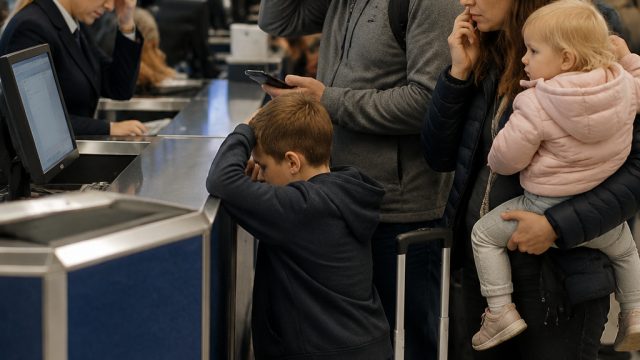
Traveling with family can be both exciting and stressful, but what happens when a technical glitch leads to confusion and chaos at the airport? A recent incident involving Alaska Airlines has brought to light the significant impact that airline system errors can have on passengers. This unsettling experience underscores the necessity for reliable travel information and efficient customer service.
The Incident: A Family's Journey Marred by Errors
In a regrettable turn of events, a family of four found themselves at the mercy of Alaska Airlines' ticketing system. After successfully booking their tickets, they encountered unexpected issues during check-in. The family was initially denied boarding due to a supposed glitch related to visa requirements, which left them frustrated and confused.
Rebooking Woes
Following their denial, the airline rebooked the family on a later flight but downgraded their seating. Upon arrival at the airport, they faced additional hurdles that nearly caused them to miss their new flight. However, the troubles did not end there.
Confrontation on the Plane
As the family finally boarded their flight, the situation escalated when staff members disputed their seat assignments. The purser insisted they could not occupy the seats they had been assigned, leading to a public confrontation that left everyone uneasy.
Customer Service Breakdown
- Lack of clear communication regarding boarding processes.
- Inadequate response to customer concerns during check-in.
- Inconsistencies in flight information provided by staff.
The Need for Improvement in Airline Operations
This incident not only affected the family but also highlighted broader issues within airline operations. Alaska Airlines, like many others, faces the challenge of maintaining a balance between efficiency and customer satisfaction. It is crucial for airlines to address operational glitches swiftly and ensure that their staff is equipped with the necessary tools to assist passengers effectively.
Potential Solutions for Airlines
To prevent similar incidents in the future, airlines could consider implementing the following strategies:
- Enhancing training programs for employees to manage customer queries better.
- Investing in technology that ensures seamless booking and boarding processes.
- Establishing clearer communication channels for passengers.
Conclusion: Lessons Learned
The experience of this family serves as a cautionary tale for travelers and airlines alike. As the aviation industry continues to recover from the impacts of the pandemic, there is an increased emphasis on improving customer service and operational reliability. Travelers must remain informed about their rights and the importance of choosing reputable airlines. Whether you're flying with Alaska Airlines or any other carrier, understanding the potential for operational errors can help travelers navigate the challenges and ensure a smoother journey.
As the travel sector evolves, it is vital for all stakeholders—airlines, employees, and passengers—to foster an environment of transparency and support. By prioritizing the passenger experience and embracing innovative solutions, the industry can work towards minimizing such distressing incidents in the future.