
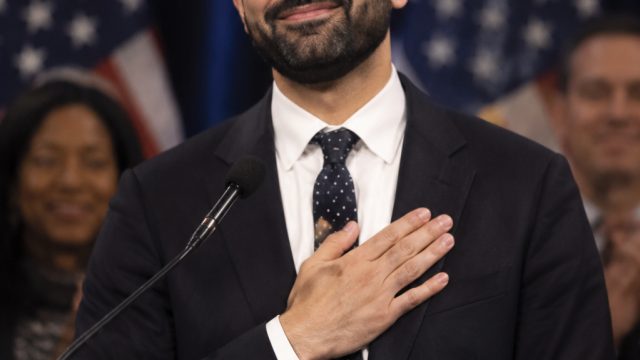
The political landscape in New York has recently undergone significant changes, leading to discussions about what these shifts mean for the future of the state and its governance. The recent election results, which saw unexpected victories for candidates affiliated with new and inexperienced movements, have sparked debates and analyses regarding the implications for both the Democratic and Republican parties.
Understanding the Election Results
In a surprising turn of events, candidates who align with a more radical political agenda managed to secure a state senate seat and two House seats previously held by Democrats. This development has raised eyebrows among political analysts and party leaders alike. Many are questioning the narratives surrounding this shift, with some labeling it a progressive victory while others view it as a troubling sign of fragmentation within the party.
The Dynamics at Play
Several factors contributed to the outcome of this election. The rise of social media as a campaign tool allowed these new candidates to reach voters directly, bypassing traditional media channels that often favor establishment candidates. Furthermore, discontent among voters regarding current issues has driven many individuals to seek alternative options, leading to the election of candidates who promise radical change.
Analyzing the Implications for the Future
As New York's political scene continues to evolve, the ramifications of this election extend beyond state lines. Political analysts are keenly observing how this might influence upcoming elections in other states and even at the national level. The emergence of new political movements could signify a shift in voter sentiment, potentially reshaping the Democratic and Republican parties in the years to come.
- Increased Competition: Established parties may face challenges from these new movements, prompting a reevaluation of their platforms.
- Voter Engagement: This election has illustrated the importance of engaging younger voters who are increasingly dissatisfied with the status quo.
- Policy Implications: New leadership could mean a shift in policy priorities, affecting everything from healthcare to education.
Challenges Ahead for the Democratic Party
For the Democratic Party, this situation presents both a challenge and an opportunity. While losing seats to relatively unknown candidates can be seen as a failure to connect with voters, it also highlights the need for internal reflection and restructuring. The party must address the concerns of its base to avoid further losses in future elections.
Strategies for Recovery
To regain the confidence of voters, the Democratic Party might consider:
- **Revisiting Policy Positions:** Aligning more closely with the issues that matter to constituents, such as housing affordability and job creation.
- **Innovative Campaigning:** Embracing new technologies and platforms to connect with voters, especially younger demographics.
- **Building Alliances:** Collaborating with community organizations to better understand and meet the needs of diverse voter segments.
The Role of Media and Public Perception
The media plays a critical role in shaping public perception of political events. As the narrative surrounding these elections continues to unfold, it's essential for journalists and commentators to provide balanced analyses rather than sensationalizing the outcomes. By doing so, they can help foster a more informed electorate that is capable of engaging with the complexities of political shifts.
Engaging the Public
Public discussions about these recent events can be enriched by:
- **Community Forums:** Encouraging local dialogues where citizens can express their views and engage with new leaders.
- **Educational Initiatives:** Providing resources for voters to learn about the candidates and their platforms critically.
- **Promoting Civic Engagement:** Mobilizing voters to participate in the democratic process actively, from attending town halls to voting in upcoming elections.
Conclusion: A New Era of Politics
As New York navigates its new political landscape, the events of this election serve as a reminder of the power of grassroots movements and the importance of truly understanding voter sentiment. While the future remains uncertain, engaging in these discussions and analyses will be crucial for all involved. Political parties, candidates, and voters alike must come together to address the challenges and opportunities that lie ahead.