
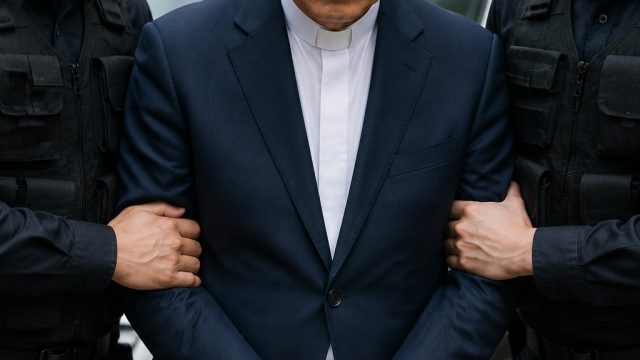
The political landscape in South Korea is currently shaken as the head of a clandestine church faced arrest on Wednesday. This incident comes as authorities intensify their investigation into allegations of electoral manipulation, signaling a crucial moment in the ongoing scrutiny of the nation’s political integrity.
Background on the Church and Its Leader
The church in question, often described as secretive, has garnered attention not just for its religious practices but also for its alleged involvement in political affairs. The leader's arrest marks a significant escalation in the investigation that has been unfolding for months, raising questions about the influence of religious organizations in South Korean politics.
Key Allegations
- Allegations of illegal campaign contributions.
- Manipulation of voter turnout.
- Collusion with political figures.
Authorities are probing into how the church purportedly leveraged its network to sway elections, potentially undermining the democratic process in the country. This has resulted in a broader examination of other similar organizations that might be engaging in dubious practices.
The Implications of the Arrest
As the investigation unfolds, the implications of the church leader’s arrest could be far-reaching. Experts are now debating the potential impact on public trust in religious institutions, as well as the government’s response to allegations of corruption in the electoral system.
Public Response
The public's reaction to this news has been mixed. Many citizens are calling for transparency and accountability, eager to see how the government will address these allegations. Others express concern over the influence of religious entities in politics, advocating for stricter regulations to prevent future manipulation.
What Comes Next?
With the church leader now in custody, the investigation will likely expand, potentially involving other high-profile figures. Observers in South Korea and beyond are watching closely to see how this situation develops, and what it means for the future of political integrity in the nation.
Future Investigations
The ramifications of this arrest may lead to increased scrutiny on other organizations known for their political ties. As authorities gather more evidence, there is speculation about further arrests and revelations that could emerge, reshaping the landscape of political affiliations in South Korea.
Conclusion: A Critical Moment for South Korean Democracy
This incident serves as a stark reminder of the ongoing challenges facing democracies worldwide, where the line between religion and political influence continues to blur. As South Korea grapples with these revelations, the need for transparent governance and ethical political practices has never been more critical. Citizens await answers and reforms that might help restore faith in their electoral systems.