
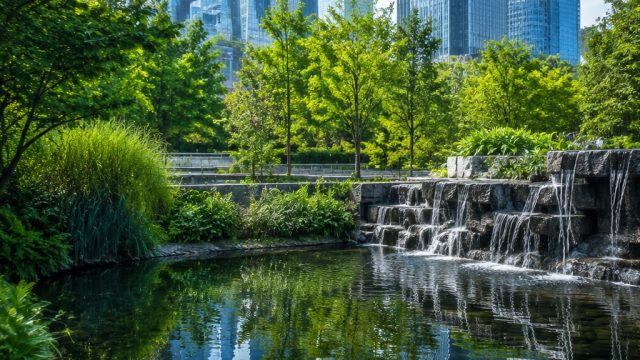
As cities continue to evolve, the discourse surrounding urban ecosystems has gained significant traction. Recent conversations, including those in political spheres, are pushing for a reevaluation of how we view and utilize water features in urban settings. This article will provide timely insights into the importance of integrating sustainable practices within our urban landscapes.
The Role of Water Features in Urban Environments
Water features, such as ponds, fountains, and reflecting pools, serve not just aesthetic purposes but also play a crucial role in ecological balance. They can enhance biodiversity, improve air quality, and contribute to mental well-being among city dwellers. However, the maintenance and sustainability of these features have become points of contention.
Creating Biodiversity Hotspots
- Water features attract various wildlife, providing habitats for birds, insects, and aquatic life.
- They often serve as vital corridors for wildlife movement, contributing to local ecosystems.
- Integrating native plants around these features can enhance their ecological value.
Challenges Facing Urban Water Features
Despite their benefits, many urban water features are criticized for their resource-intensive maintenance. A shift in perspective is necessary to address these challenges without neglecting the ecological importance of these sites.
Resource Management Issues
Managing water resources efficiently is crucial as urban areas face increasing drought and water scarcity. Strategies for improving sustainability in water usage include:
- Implementing rainwater harvesting systems to reduce reliance on municipal water supplies.
- Utilizing eco-friendly filtration systems that minimize chemical usage.
- Designing features that require minimal maintenance, thus reducing long-term costs.
Advocating for Sustainable Practices
Advocacy for sustainable urban practices has begun to influence policies at various levels. The idea of letting certain water features 'go' may stem from the understanding that less can be more in terms of environmental sustainability.
Innovative Design Ideas
Many cities are looking towards innovative design solutions that not only incorporate water features but also enhance their sustainability. Some ideas include:
- Creating dual-purpose areas that can serve as both recreational spaces and rainwater collection points.
- Incorporating technology such as smart sensors to monitor water quality and levels.
- Promoting community engagement in the design and maintenance of these features, fostering a sense of ownership and responsibility.
Conclusion: A Call to Action
The conversation around urban ecosystems and water features is evolving, and it is crucial for city planners, policymakers, and communities to engage actively in these discussions. As we consider letting certain features 'go', it is equally important to evaluate how we can innovate and create new opportunities for sustainable development. By prioritizing ecological balance and community involvement, we can transform our urban landscapes into thriving ecosystems that benefit all residents.
In summary, the move towards rethinking urban water features is not just about maintaining aesthetics; it’s a necessary step towards a more sustainable and eco-friendly future in urban planning. Let's embrace this shift and advocate for practices that enhance our environment for generations to come.