
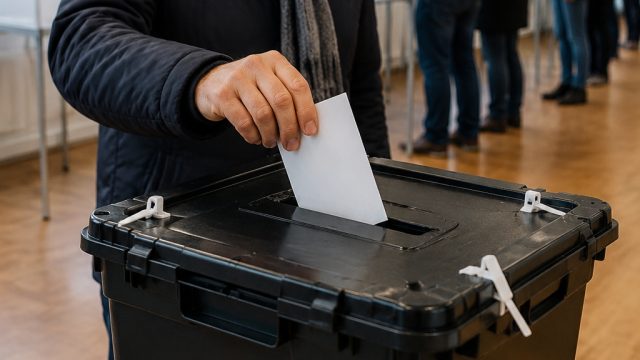
As Greater Manchester gears up for a significant change in its political landscape, the upcoming mayoral election scheduled for July 30 promises to be a pivotal event. With Andy Burnham stepping down to return to Westminster, voters will not only be selecting a new mayor but also experiencing a new voting method—the supplementary vote. This article delves into the workings of this voting system and its relevance in the current political climate.
What is the Supplementary Vote?
The supplementary vote is a voting system designed to ensure that elected officials gain a broader consensus among voters. Unlike traditional first-past-the-post systems, which can lead to a winner being elected with less than majority support, the supplementary vote allows voters to express their preferences more comprehensively.
How Does It Work?
- Voters cast two votes: a first choice and a second choice.
- If a candidate receives more than 50% of the first-choice votes, they are elected outright.
- If no candidate achieves this threshold, all candidates but the top two are eliminated.
- The second-choice votes from eliminated candidates are then counted and added to the top candidates.
- The candidate with the highest overall total is declared the winner.
Why Implement the Supplementary Vote in Manchester Now?
The introduction of the supplementary vote in Manchester is a timely response to growing concerns over representation and voter engagement. As political sentiments shift and the electorate becomes increasingly diverse, ensuring that elected officials reflect the majority's preferences is more critical than ever.
Encouraging Voter Participation
One of the primary advantages of the supplementary vote is its potential to enhance voter participation. By allowing voters to express their second choices, the system empowers them to support candidates they might otherwise feel are unlikely to win. This could lead to increased turnout and a more representative selection process.
Addressing Voter Disillusionment
Many voters have expressed frustration with the traditional voting systems, feeling that their votes often do not count. The supplementary vote aims to mitigate this disillusionment by providing a more significant avenue for individuals to influence the outcome of elections.
What This Means for the Future of Greater Manchester Politics
The shift to the supplementary vote could signify a crucial turning point in Greater Manchester's political landscape. As the region prepares for a new leader, the way voters engage with the electoral process will undoubtedly shape future policies and governance.
Potential Impacts on Candidates
Candidates in the upcoming election will need to adapt their strategies to account for the new voting system. This may encourage a more collaborative political environment, where candidates focus on building coalitions rather than solely appealing to their voter base.
Rethinking Campaign Strategies
With the supplementary voting system in play, candidates must consider not just their support but also how to appeal to the second choices of voters. This shift may lead to more inclusive and broad-based campaign efforts, fostering a greater dialogue on issues that resonate with the electorate.
Conclusion
The implementation of the supplementary vote in Manchester's mayoral election is more than just a procedural change; it reflects a broader movement towards more inclusive and representative governance. As the election date approaches, the focus will be on how candidates adapt to this new system and what it means for the political future of Greater Manchester. Voter engagement and representation are at the forefront of this change, setting a promising tone for the region's democratic processes.