
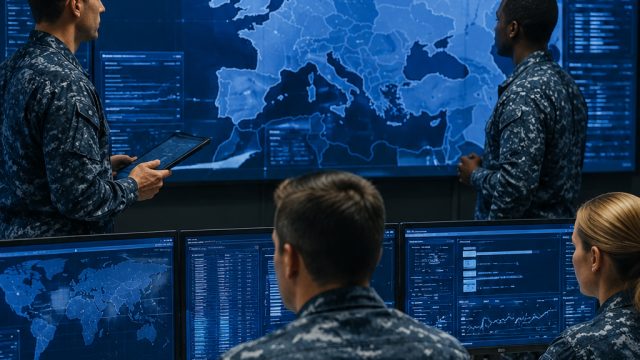
In an era marked by increasing global uncertainties and the need for robust emergency response mechanisms, the recent announcement of a modernization initiative supported by NATO has sparked significant attention. The Crisis Management Center (CMC) is set to embark on a multi-year project to revamp and establish a modernized and integrated crisis management system, led by CMC Director, Muhamed Ali.
The Importance of Modernized Crisis Management
Effective crisis management is paramount for maintaining national security and public safety. As nations navigate complex challenges—from natural disasters to public health emergencies—the demand for advanced crisis response mechanisms has never been more pressing. The integration of artificial intelligence (AI) into these systems is a game changer, enabling quicker, more efficient decision-making during critical incidents.
Why This Initiative Matters Now
The timing of this project coincides with a growing recognition of the vulnerabilities faced by nations today. With NATO's involvement, this modernization effort not only enhances local capabilities but also strengthens international collaboration. Here are key reasons why this initiative is crucial:
- Enhanced Decision-Making: AI tools can analyze vast amounts of data in real time, offering insights that human operators may miss.
- Streamlined Communication: A modernized system fosters better coordination among various agencies, ensuring a unified response to crises.
- Scalability: As threats evolve, the system can adapt, accommodating new technologies and strategies.
- Strengthened Resilience: Prepared communities are better equipped to handle crises, minimizing impacts on public health and safety.
Key Features of the Project
The project, dubbed the "Interoperable Incident Command System Powered by Artificial Intelligence," encompasses several innovative features designed to overhaul existing frameworks. Here are some anticipated highlights:
- Integrated Technology Platforms: Building a cohesive network that connects various emergency response platforms.
- Real-Time Data Analytics: Implementing AI-driven analytics for immediate insights during crises.
- Comprehensive Training Programs: Offering training for personnel to effectively utilize new technologies.
- Public Engagement Initiatives: Informing citizens about the new systems to ensure community preparedness.
Anticipated Challenges and Solutions
While the modernization of crisis management systems is a positive development, several challenges must be addressed:
- Funding and Resource Allocation: Ensuring that adequate funding is available for all phases of the project.
- Training and Implementation: Providing comprehensive training to emergency responders to effectively use new technologies.
- Inter-agency Cooperation: Fostering collaboration among various agencies to achieve a unified response.
To mitigate these challenges, stakeholders are encouraged to engage in open dialogues and establish clear communication channels. Continuous evaluation and feedback mechanisms will also be critical in refining the systems as they are developed.
Conclusion
The partnership with NATO marks a significant step forward in enhancing crisis management capabilities. As the world faces escalating risks, the need for modernized systems equipped with cutting-edge technology is not just an option but a necessity. The Crisis Management Center’s initiative promises not only to fortify local capacities but also to inspire similar efforts globally. As this project unfolds, the focus will be on creating resilient communities that can effectively respond to any crisis.