
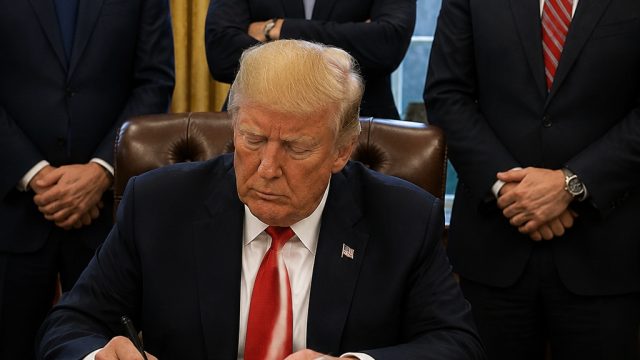
In a surprising turn of events, former President Donald Trump has abruptly canceled plans to sign a major bipartisan housing bill, prompting widespread discussions about its implications for affordable housing initiatives across the United States. This decision comes at a time when housing affordability is a pressing concern for millions of Americans, making it crucial to understand the potential impacts of this legislative standoff.
The Background of the Housing Bill
The housing bill in question, aimed at increasing the availability of affordable housing, has received bipartisan support. It was designed to tackle the escalating housing crisis by providing funding for new housing projects, streamlining regulations, and offering incentives for developers to build in under-served areas. The bill's cancellation raises significant questions about the future of affordable housing efforts and what this means for prospective homeowners and renters.
Why Trump Canceled the Signing
The cancellation appears to be strategically linked to Trump's ongoing negotiations with Congress regarding the SAVE Act, which focuses on electoral reforms, including voter ID laws. Trump has expressed that he would not proceed with the housing bill unless his demands on the SAVE Act are met, leading to a standoff that could delay progress on both pieces of legislation.
Current Political Climate Surrounding Housing Initiatives
As the housing market continues to grapple with rising costs and inventory shortages, the implications of Trump's decision could ripple through the market. Here are some points to consider:
- Rising Housing Costs: Without the bill, housing prices may continue to surge, further complicating homeownership for many families.
- Impact on Developers: Many developers were counting on the incentives outlined in the bill, and their plans may now be jeopardized.
- Political Fallout: This cancellation may have repercussions for Republicans as they face criticism from constituents who are struggling with housing affordability.
Potential Benefits of the Bill
If passed, the housing bill was projected to:
- Provide substantial funding for creating affordable housing units.
- Streamline the permitting process to reduce the time it takes to build new housing.
- Encourage public-private partnerships that could lead to innovative housing solutions.
The Broader Implications
This political maneuvering could have wider repercussions beyond immediate housing concerns. As lawmakers focus on these pivotal issues, it's essential to understand how this could shape legislative priorities moving forward. Here are some broader implications:
- Electoral Strategies: The ongoing fight may be seen as a political strategy aimed at rallying support for upcoming elections.
- Public Sentiment: Voter frustration over housing issues may influence public opinion and voter turnout in future elections.
- Economic Concerns: Rising housing costs could exacerbate economic inequalities, potentially leading to a larger societal impact.
What Comes Next?
As this situation unfolds, both lawmakers and constituents will be watching closely. The future of the housing bill now hangs in the balance, with potential compromises and negotiations on the horizon. Stakeholders in the housing market, including buyers, sellers, and renters, must stay informed about developments that could affect their circumstances.
Conclusion
Trump's cancellation of the housing bill signing not only highlights the complexities of legislative negotiations but also underscores the urgent need for effective solutions to the housing crisis. As Congress grapples with these issues, the impacts will undoubtedly be felt across the nation. Observers will be eagerly awaiting the next steps as the political landscape continues to evolve.