
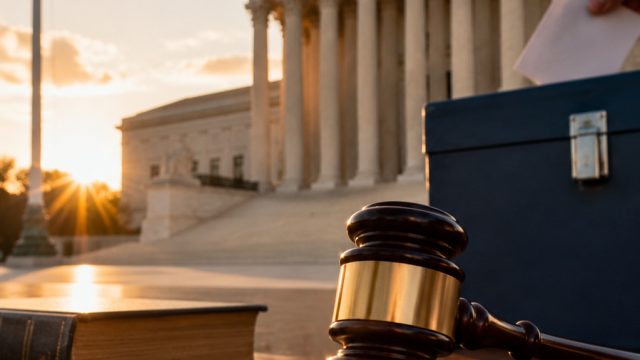
In a significant legal development, a federal judge has ruled against the implementation of proof of citizenship requirements for voting. This decision comes at a crucial time when voting regulations are under heightened scrutiny, spotlighting the ongoing debate surrounding election accessibility and integrity.
The Background of Voting Regulations
In recent years, various states have pushed for stricter voting laws, including measures that require individuals to present proof of citizenship at the polls. Proponents of these laws argue that they are necessary to prevent voter fraud and ensure the integrity of elections. However, opponents claim that such requirements disproportionately affect marginalized groups and can disenfranchise eligible voters.
Previous Legislation and Challenges
Efforts to mandate proof of citizenship have not been without controversy. Many legal challenges have arisen, with critics arguing that these laws violate the Voting Rights Act and other federal statutes. The recent ruling serves as a critical reminder of the judiciary's role in protecting voting rights amidst evolving political landscapes.
The Court's Ruling: Key Takeaways
The judge's ruling emphasized the importance of accessibility in the electoral process, stating that requiring proof of citizenship could lead to significant barriers for eligible voters. This decision is particularly relevant as we approach upcoming elections where voter turnout is crucial.
- Impact on Voter Turnout: Studies show that overly strict voting requirements can suppress turnout, particularly among minority groups.
- Implications for Future Legislation: This ruling may influence lawmakers in other states considering similar measures, potentially leading to a reevaluation of voting laws nationwide.
- Legal Precedent: The case sets a crucial precedent for future challenges against restrictive voting laws and affirms the judiciary's commitment to upholding democratic principles.
The Broader Context of Voting Rights
As the conversation about voting rights evolves, this ruling showcases the delicate balance between ensuring election security and maintaining an inclusive electoral process. With the public increasingly concerned about the integrity of elections, the ramifications of this decision will likely resonate beyond the current political climate.
Public Response and Future Outlook
The reaction to the ruling has been mixed, with some celebrating it as a victory for voting rights and others lamenting the potential for increased voter fraud. As citizens gear up for the next election cycle, understanding these developments becomes crucial.
Conclusion: Staying Informed
This recent court decision highlights the ongoing evolution of voting laws in the United States and emphasizes the importance of remaining informed about changes that could impact electoral participation. As citizens, staying engaged with these issues ensures that we can advocate for fair and equitable voting practices.
For those interested in the latest news and updates on voting regulations, keeping an eye on legal developments will be essential in navigating the complexities of the electoral landscape.