
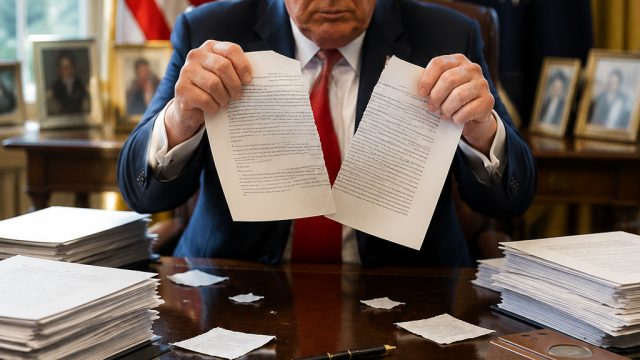
In a surprising political move, former President Donald Trump has canceled the signing of a bipartisan housing bill aimed at making housing more affordable for millions of Americans. This decision has raised eyebrows across the political spectrum and has implications that extend beyond the walls of Congress. Understanding this decision's ramifications is crucial, especially in light of the upcoming elections and the ongoing debates surrounding voter ID laws.
The Bipartisan Housing Bill: What Was At Stake?
The bipartisan housing bill was designed to address the pressing issue of escalating housing costs, which have affected many Americans, particularly low- to middle-income families. The legislation, if signed into law, would have facilitated various measures to boost the housing market, providing assistance and support where it is needed most. Key components of the bill included:
- Increased funding for affordable housing projects.
- Tax incentives for first-time homebuyers.
- Reduction of zoning restrictions to enable more housing development.
These initiatives are essential in a climate where housing affordability has become a significant topic for voters across the nation. The cancellation of the signing ceremony not only stalls these potentially transformative measures but also raises questions about the future of bipartisan cooperation in Congress.
Trump's Political Strategy: Holding Legislation Hostage
With the abrupt cancellation, it appears that Trump is leveraging this crucial legislative moment to push for the SAVE America Act, a proposal that seeks to strengthen voter identification laws. This strategy underscores a broader trend of using legislative negotiations as a bargaining chip to forward partisan agendas.
The Implications of Weaponizing Legislation
By holding the bipartisan housing bill hostage, Trump not only complicates the lives of those struggling with housing costs but also risks alienating moderate Republicans and independents who are crucial to GOP success in upcoming elections. This strategy raises several critical questions:
- How will this affect the GOP's chances in swing districts?
- Will moderates within the Republican Party support such maneuvers?
- What will voters think about using housing assistance as a lever for unrelated legislation?
A Broader Context: The Current Housing Crisis
The ongoing housing crisis in the United States is a ticking time bomb. With median home prices soaring and rents outpacing wage growth, many Americans are feeling the pinch. The urgency of addressing these issues cannot be overstated, as the consequences of inaction are dire:
- An increase in homelessness rates.
- A rise in debt among renters and homeowners who can no longer afford their payments.
- Long-term economic stagnation as housing remains out of reach for many.
Understanding the housing market's dynamics is more critical than ever. As more people are drawn into discussions about solutions, the cancellation of the bill serves as a sobering reminder of political realities that can impede progress at a time when collaboration is essential.
Conclusion: What Lies Ahead?
The fallout from Trump's cancellation of the bipartisan housing bill signing is yet to be fully realized. As political analysts digest this development, it is clear that the implications are vast and complex. For now, the focus shifts to how lawmakers will respond and whether new avenues for collaboration can emerge despite these political games. The stakes are high, and the American people are watching closely. Will Congress find a way to prioritize the needs of its constituents over partisan politics? Only time will tell.