
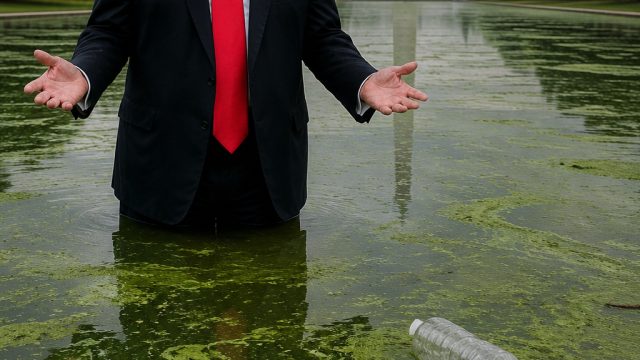
The recent controversy surrounding former President Donald Trump's claims about vandals damaging the Reflecting Pool has unveiled a deeper environmental issue that demands immediate attention. Algae growth, often exacerbated by pollution and climate change, is becoming a pressing problem, and the implications extend far beyond the aesthetics of a reflecting pool.
The Alarming Spread of Algae Blooms
Algae blooms, which can produce harmful toxins, have been on the rise in various bodies of water across the United States. These blooms not only affect the ecosystem but also pose significant public health risks. As the political landscape swirls around Trump's assertions, it is crucial that we shift our focus to the real environmental hazards presented by these blooms.
Understanding Algae and Its Impact
- Nutrient Pollution: Excessive nutrients, primarily nitrogen and phosphorus from fertilizers, lead to algae overgrowth.
- Health Risks: Certain types of algae can produce toxins that affect human health, causing respiratory issues or gastrointestinal illness.
- Economic Consequences: Algae blooms can impact local economies, particularly those reliant on tourism and fishing.
Trump's Narrative and Legislative Challenges
Amid ongoing discussions about the Reflecting Pool, Trump's narrative has drawn scrutiny. While he claims vandalism, internal documents suggest a larger problem of algae proliferation. This misdirection could undermine efforts to address the actual environmental factors at play.
Calls for Legislative Action
Lawmakers are increasingly recognizing the need for robust legislation to combat nutrient pollution and protect water quality. Recent proposals have sought to enhance regulations around agricultural runoff and promote sustainable practices.
The Role of Public Awareness and Community Action
Community engagement is crucial in the fight against algae blooms. Public awareness campaigns can educate citizens on the importance of reducing nutrient runoff from their homes and businesses.
Steps Individuals Can Take
- Landscaping Choices: Opt for native plants that require less fertilizer.
- Proper Disposal: Avoid pouring chemicals down the drain and dispose of hazardous materials correctly.
- Support Local Initiatives: Participate in local clean-up events and advocate for environmentally friendly policies.
Conclusion: A Call to Action
While the political discourse surrounding Trump's claims may dominate headlines, the health of our water systems is at stake. The algae crisis is not merely a reflection of a swimming pool issue; it is a significant environmental challenge that requires immediate attention. As citizens, lawmakers, and environmental advocates unite, we can pave the way for sustainable solutions that protect our water resources for future generations.