
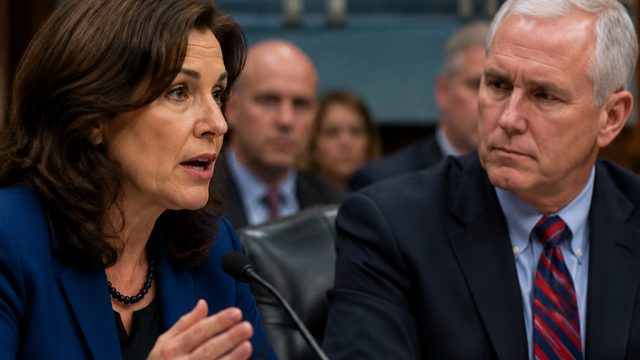
The recent delay in the opening of the Gordie Howe International Bridge has ignited a political firestorm in Michigan, particularly as it intersects with the high-stakes Senate race. With the much-anticipated $6.4 billion bridge meant to enhance trade and travel between Windsor, Canada, and Detroit, the postponement has become a focal point for candidates seeking to sway voters and leverage national issues for local support.
The Delay and Its Political Implications
Initially scheduled for a grand opening on June 12, the bridge's inauguration was abruptly canceled just a day prior. This sudden halt has raised alarms not only about the bridge's future but also about the political climate in Michigan. The Windsor-Detroit Bridge Authority attributed the delay to ongoing negotiations aimed at resolving "any outstanding issues" between the United States and Canada, but the timing has led to heated accusations and speculation.
Accusations Against Trump
In a bold move, Democratic candidate Mallory McMorrow has publicly blamed former President Donald Trump for the bridge's stalling. In her recent advertisement, she claimed that Trump is deliberately obstructing the bridge's opening as part of a broader political strategy. McMorrow insinuated that financial ties between Trump and a billionaire family owning a competing bridge have contributed to the delay, sparking outrage among her supporters.
The Candidates' Stance
As the Senate race heats up, candidates are utilizing this situation to highlight their positions on infrastructure and economic growth. McMorrow's approach emphasizes accountability and transparency, aiming to position herself as a candidate committed to Michigan's development. On the opposite side, Republican contenders are focusing on the importance of bipartisan cooperation in resolving such infrastructure delays.
Voter Reactions
The electorate's response has been mixed, with some residents expressing frustration over the delay and others skeptical of the political motives behind the accusations. Social media platforms are buzzing with debate, and local forums are filled with discussions on how the bridge's opening will impact both the economy and community well-being.
- Support for McMorrow: Many see her as a voice for change, emphasizing realistic solutions to infrastructure problems.
- Criticism of Trump: Some voters believe that Trump's past administration policies have created unnecessary roadblocks.
- Concerns about Transparency: Residents demand clarity on why the bridge's opening has been delayed and what it means for future projects.
- Economic Impact: The delay raises concerns about potential job losses and hindered economic recovery in the region.
Looking Ahead: The Future of the Gordie Howe Bridge
Despite the current turmoil, there remains cautious optimism regarding the Gordie Howe Bridge's eventual opening. Local leaders and stakeholders continue to advocate for swift resolutions to the issues at hand. They stress the importance of this project not only for enhancing transportation links but also for revitalizing the economy in both Detroit and Windsor.
The Role of Infrastructure in Political Campaigns
This incident underscores the critical role infrastructure plays in political campaigns, especially in states where economic issues are at the forefront. Candidates are increasingly expected to outline their plans for infrastructure improvements, making it a vital element in winning voter support.
Conclusion
The stalled opening of the Gordie Howe International Bridge has become a pivotal issue in Michigan's Senate race, amplifying the political divide and showcasing how infrastructure debates can influence electoral outcomes. As the candidates navigate this complex terrain, the bridge's fate remains a symbol of broader challenges facing American infrastructure and political accountability. Voters will undoubtedly be watching closely as this situation unfolds, eager for resolutions that benefit their communities.