
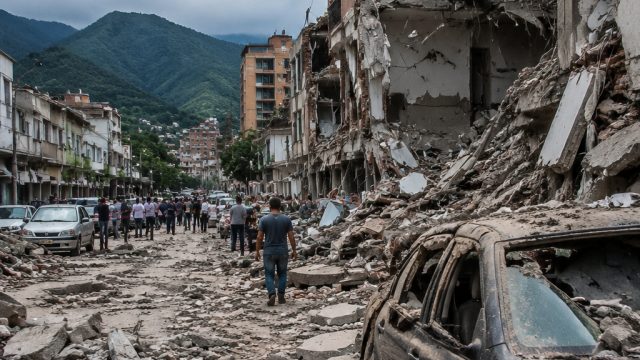
In a devastating turn of events, Venezuela has recently experienced two powerful earthquakes, registering magnitudes of 7.1 and 6.8 within a short span. These seismic activities have sent shockwaves throughout the country, prompting urgent responses from local authorities and international agencies alike. As the nation grapples with extensive damage and disruption, understanding the implications of these quakes is crucial.
The Earthquakes: Timeline and Magnitude
On [insert date], the first earthquake struck, measuring 7.1 on the Richter scale. Just moments later, a second quake, slightly less intense at 6.8 magnitude, followed, compounding the effects of the initial shock. Reports indicate that the tremors were felt across vast areas, including the capital city of Caracas, where buildings swayed alarmingly and some structural damages were reported.
Immediate Aftermath and Reactions
Residents described the experience as frightening, with many rushing out of their homes and workplaces in a panic. Emergency services and local authorities have since mobilized to assess the damage, provide medical aid, and ensure public safety. Some key points from the immediate aftermath include:
- Emergency shelters established for displaced residents.
- Ongoing assessments of building integrity across affected areas.
- Reports of landslides in hilly regions, raising additional concerns.
- Public warnings regarding potential aftershocks.
Impact on Infrastructure and Community
The dual earthquakes have highlighted vulnerabilities in Venezuela's infrastructure. Key transportation routes have been compromised, making it difficult to deliver aid to those in need. Furthermore, power outages and water supply disruptions have been reported across various sectors, complicating relief efforts.
Challenges Faced by Relief Efforts
As the country begins recovery operations, several challenges are emerging:
- Logistical issues in transporting aid to remote areas.
- A rise in public anxiety regarding safety and future quakes.
- Limited resources for extensive rebuilding efforts.
- Coordination between local and international organizations.
Community Response and Resilience
Amid the chaos, stories of resilience and community support are surfacing. Neighbors are coming together to help each other, sharing supplies and providing comfort. Local businesses are stepping up, offering assistance and shelter to those affected. This collective spirit may be key to the nation's recovery.
Preparation for Future Incidents
While recovery efforts are underway, the focus is also shifting towards future preparedness. Authorities are urging residents to stay informed about seismic activity and participate in community drills. Key recommendations include:
- Regularly check emergency kits and supplies.
- Stay updated via local news and official channels for warnings.
- Participate in community safety drills to enhance readiness.
Conclusion: Looking Ahead
The recent earthquakes in Venezuela serve as a stark reminder of the region's seismic vulnerabilities. While the immediate aftermath is filled with challenges, the resilience of the Venezuelan people shines through. By fostering community support and enhancing preparedness, the nation can begin to heal and rebuild. As we move forward, it is essential to stay informed, support recovery efforts, and prepare for the future.