
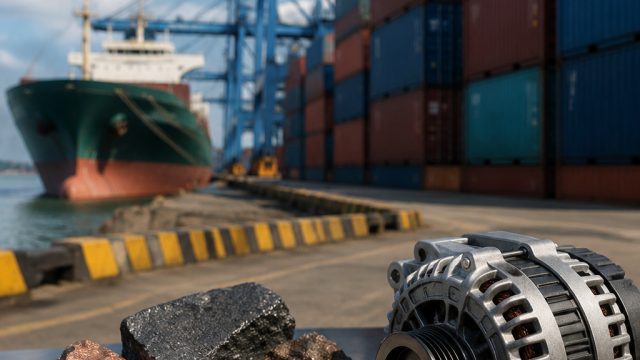
In a significant move that has captured global attention, China has announced strict export controls on key rare earth elements, escalating the already tense trade atmosphere with the United States. These actions come amidst a backdrop of rising economic rivalry and could have far-reaching implications for industries reliant on these essential materials.
Understanding Rare Earth Materials and Their Importance
Rare earth elements are a group of 17 metals that play a crucial role in various high-tech applications, including electronics, renewable energy technologies, and defense systems. The U.S. and many other countries depend significantly on imports of these materials, with China currently dominating the global supply chain. This dependency raises significant concerns about security, pricing, and availability.
The Current State of Rare Earth Supplies
China produces approximately 60% of the world's rare earth metals, and recent export controls could disrupt global supply chains. Companies in sectors such as automotive manufacturing, renewable energy, and electronics are particularly vulnerable. Here's why this matters now:
- Dependence on Imports: Many American companies source rare earths from China. Disruptions in supply can lead to production delays and increased costs.
- Escalation of Trade Tensions: These controls are likely to heighten the already fraught relationship between China and the U.S., potentially leading to a broader trade war.
- Market Volatility: With the uncertainty surrounding supply, prices for rare earths may surge, affecting numerous industries.
Potential Impacts on Various Industries
The implications of these controls extend beyond just trade. Various sectors will feel the effects in different ways:
Electronics and Technology
As the backbone of modern electronics, rare earths are crucial in the manufacturing of smartphones, laptops, and electric vehicles. Disruptions in supply may lead to:
- Increased Production Costs: Manufacturers may have to pay more for rare earths or seek alternative sources, which could lead to a rise in product prices.
- Innovation Slowdown: A scarcity of these materials can hamper the development of new technologies, affecting competitiveness.
Renewable Energy Sector
With the transition to green energy technologies, rare earth elements are integral to wind turbines and solar panels. The fallout from these export controls could include:
- Delays in Energy Projects: Projects may face delays due to the unavailability of essential components.
- Increased Energy Costs: As supply tightens, the costs related to renewable energy technologies could also rise, impacting consumers.
Military and Defense
Rare earths play a significant role in defense applications, such as advanced weaponry and surveillance systems. The restrictions could lead to:
- National Security Risks: Over-reliance on foreign sources for critical defense materials can jeopardize national security.
- Ramping Up Domestic Production: The U.S. may need to invest more in domestic production capabilities to mitigate risks.
Responses and Strategies Moving Forward
In light of these developments, stakeholders across the globe are considering various strategies to navigate the shifting landscape:
- Diversifying Supply Sources: Companies may look to establish supply chains outside of China to reduce risk.
- Investing in Recycling Technologies: Innovations in recycling rare earths can help alleviate dependency on new materials.
- Government Policy Adjustments: Governments may need to step in with policies that support domestic rare earth production.
Conclusion: The Road Ahead
The recent export controls imposed by China on rare earth elements are a pivotal moment in global trade. As industries recalibrate to these changes, the focus will be on how to enhance supply security while fostering innovation. For businesses and governments alike, understanding the ramifications of these controls will be essential in navigating this complex landscape. The future of supply chains, pricing, and international relations hangs in the balance, making it imperative to stay informed and adaptable in the face of these challenges.