
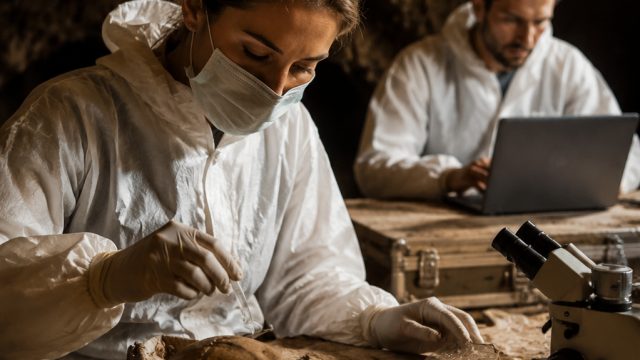
Recent findings from a comprehensive study conducted in 11 caves across the Iberian Peninsula have unveiled a significant trove of ancient human DNA, preserved on rock surfaces for thousands of years. This groundbreaking discovery not only provides a deeper insight into ancient human life but also complicates conventional narratives surrounding art and identity.
What the Research Reveals
The research team meticulously analyzed rock surfaces in these Iberian caves, finding traces of human genetic material that date back to ancient times. This study, which has been hailed as a pivotal advancement in anthropology, challenges existing understandings of how humans interacted with their environment and each other.
The Preservation of Genetic Material
One of the most remarkable aspects of the research is the longevity of human DNA in such harsh conditions. The caves provided a stable environment, allowing genetic material to survive long after the individuals had passed away. This preservation opens new doors for scientists to explore genetic links and behaviors of ancient populations.
Rethinking Art and Identity
Traditionally, cave art has been attributed to notions of identity and cultural expression among prehistoric humans. However, with the discovery of ancient DNA, researchers are prompted to reconsider these associations. The presence of genetic material may indicate that the caves were not merely artistic spaces, but also significant social and biological hubs.
Implications for Future Research
As anthropologists and geneticists delve deeper into this newfound wealth of information, the implications of this study extend far beyond the caves themselves. Understanding the genetic links between ancient populations can reshape our knowledge of human migration patterns, social structures, and even disease susceptibility.
Connecting the Past with the Present
By analyzing the ancient DNA, researchers can draw parallels with contemporary populations, offering insights into how genetic traits have evolved over millennia. This connection not only enriches our understanding of human history but also emphasizes the importance of genetic diversity in today’s world.
The Broader Impact on Anthropology
The implications of this research stretch into various fields within anthropology and archaeology. By integrating genetics with traditional archaeological methods, scholars can develop a more nuanced perspective of human history. This study exemplifies the need for interdisciplinary approaches in understanding our past.
Challenges and Future Directions
While the findings are promising, challenges remain. The preservation of DNA samples from environmental degradation and contamination poses significant hurdles. Future research will need to address these issues to ensure the accuracy of findings and the integrity of data collected.
- Enhanced understanding of ancient populations
- New methodologies in genetic analysis
- Interdisciplinary collaboration between genetics and anthropology
- Reevaluation of traditional narratives about culture and identity
Conclusion: A New Era in Understanding Human History
The discovery of ancient human DNA in Iberian caves marks a pivotal moment for anthropology, inviting scholars to rethink age-old narratives about human identity and culture. As we stand on the brink of further exploration, it’s clear that the stories encapsulated within these rock walls have much more to unveil about our shared human experience.