
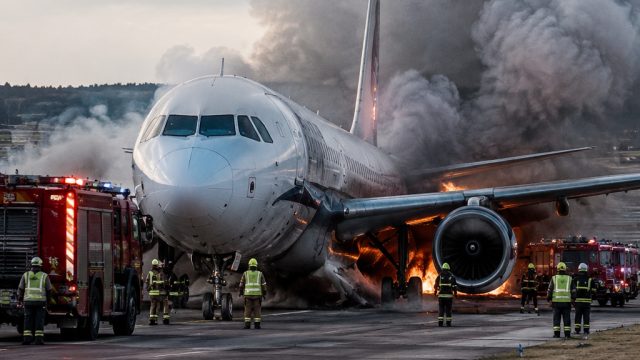
In a recent incident that underscores the importance of pilot health and safety protocols, an Air Canada flight experienced a significant emergency, forcing it to divert to Boston for an unscheduled landing. This incident raises vital questions about the current practices in ensuring that pilots are fit to fly, particularly in high-pressure environments like commercial aviation.
The Incident: What Happened?
On a typical Wednesday afternoon, Air Canada Flight 7664 was en route from Newark Liberty International Airport when it was diverted due to a medical emergency involving the pilot. At approximately 2 PM, the flight crew made a crucial decision to safely land at Boston Logan International Airport, thereby prioritizing safety above all else. Fortunately, the aircraft landed without incident, and passengers were unharmed.
The Role of the FAA
The Federal Aviation Administration (FAA) has stringent regulations in place to ensure the well-being of pilots, which is crucial for maintaining the safety of all flights. However, occurrences like this serve as a reminder of the unpredictable nature of health issues. The FAA mandates regular medical examinations for pilots, yet incidents still occur, raising concerns about the adequacy of these measures.
- Regular Health Assessments: Pilots are required to undergo periodic physical and psychological evaluations to assess their fitness for duty.
- Emergency Protocols: Airlines must have clear protocols in place to manage such emergencies effectively, ensuring the safety of passengers and crew.
- Continuous Monitoring: Health monitoring technology and practices should evolve to catch potential health risks before they escalate.
Impact on Passengers
For passengers aboard the flight, the experience likely triggered anxiety and concern. Emergency landings can be distressing, and while the crew managed the situation expertly, the emotional toll on passengers shouldn't be overlooked. The aviation industry must consider mental health support as part of their safety protocols.
How Passengers Can Prepare
While passengers cannot control the health of pilots, awareness and preparation can help ease anxiety during flights:
- Stay Informed: Understanding the safety protocols of the airline can provide peace of mind.
- Follow Crew Instructions: In emergencies, adhering to crew guidance is crucial.
- Seek Support: If you feel anxious, consider speaking with a mental health professional before flying.
Addressing the Broader Picture
This incident is part of a larger narrative regarding aviation safety and pilot health. As air travel continues to increase, so does the need for comprehensive health checks for pilots. The aviation community must advocate for innovations in health monitoring that can swiftly detect and address potential health concerns.
Future Considerations
Going forward, aviation authorities and airlines must prioritize advancements in pilot health monitoring. This includes:
- Incorporating Technology: Utilizing biometric and AI technologies could help predict and prevent health issues.
- Enhancing Training: Providing pilots with training that includes stress management and health awareness can help mitigate risks.
- Policy Revisions: Regularly reviewing and updating health regulations to reflect current knowledge and advancements.
Conclusion
As we reflect on the recent emergency landing of Air Canada Flight 7664, it is crucial to recognize the importance of rigorous health checks for pilots and the role they play in ensuring passenger safety. The aviation industry must proactively address these issues to foster a safer flying environment for everyone. As air travel continues to evolve, the commitment to passenger safety must remain unwavering.