
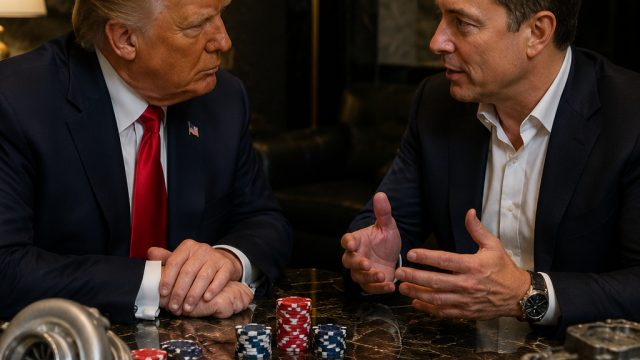
In a development that has caught the attention of both political analysts and industry insiders, recent court filings indicate that President Donald Trump engaged in discussions with the CEO of Live Nation shortly before a significant settlement was reached in an antitrust case involving the entertainment giant. This revelation has raised eyebrows, as it coincides with increasing scrutiny of corporate practices and the government's role in regulating them.
Context of the Antitrust Case
The antitrust case against Live Nation, which is the parent company of Ticketmaster, has been a focal point of discussions regarding monopolistic practices in the live entertainment sector. Critics have long argued that the company's dominance in ticket sales stifles competition and increases costs for consumers. In recent months, the Justice Department has been actively investigating these claims, leading to speculation about potential actions against the company.
Timing of Trump’s Communication
The timing of Trump's communication with Live Nation's CEO, as revealed by court documents, raises crucial questions about the influence of political figures on business decisions and legal matters. The discussions reportedly took place just days before the Department of Justice announced a surprise settlement, which many view as a rapid resolution to what appeared to be a drawn-out legal issue.
Implications for Corporate Governance
This incident highlights the intricate relationship between politics and business. The implications are vast, as they suggest that high-level conversations can have significant impacts on corporate governance and regulatory actions. Industry experts argue that such interactions may undermine public trust in the fairness of the legal process, especially when it involves major corporations and influential political figures.
Public Reaction and Concerns
- Voter trust in political accountability may wane.
- Concerns over potential quid pro quo arrangements may arise.
- Critics warn of the dangerous precedent set by political interference in corporate matters.
Looking Ahead: What This Means for Future Regulations
The implications of this case extend beyond Live Nation, as it may set a precedent for how future antitrust regulations are approached. With an increasing focus on corporate transparency and ethical governance, lawmakers are likely to scrutinize the relationships between business leaders and political figures more closely.
Potential Changes in Antitrust Enforcement
The fallout from this revelation may influence how the Justice Department handles antitrust cases moving forward. Some experts believe that there may be calls for stricter guidelines regarding communication between politicians and corporate executives to ensure fairness in regulatory processes.
Conclusion: Monitoring Developments in Corporate Accountability
As this story continues to unfold, the attention it garners will likely prompt discussions about the intersection of politics and business ethics. For stakeholders in both the political and business arenas, it is imperative to monitor how such interactions shape legal frameworks and public sentiment. The future of corporate governance may depend on the outcomes of this ongoing scrutiny, as citizens demand greater transparency and accountability from their leaders.