
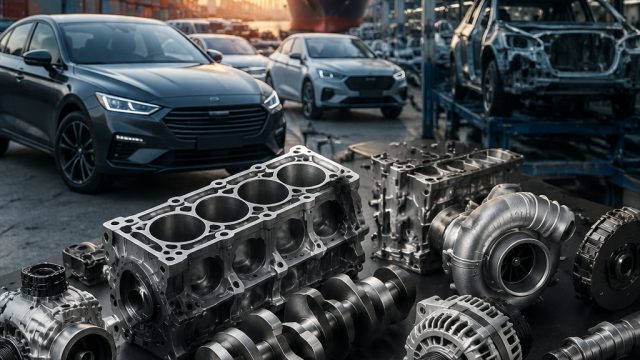
In recent times, the automotive sector has witnessed a significant shift, with Chinese manufacturers increasingly dominating the global supply of auto components. This rapidly changing landscape calls for a closer examination of how these developments affect vehicle manufacturers and consumers alike. With trends indicating that more automakers are turning to China for their parts supply, understanding this phenomenon has never been more crucial.
The Growing Dependence on Chinese Auto Parts
As the automotive industry continues to evolve, the reliance on Chinese components is more pronounced than ever. The country has emerged as a powerhouse in manufacturing, affecting everything from electric vehicles to traditional combustion engines. Several factors contribute to this increasing dependence:
- Cost Efficiency: Chinese manufacturers often offer lower prices, making it appealing for companies looking to minimize production costs.
- Technological Advancements: With substantial investment in research and development, China has improved the quality and technology of its automotive parts.
- Comprehensive Supply Chains: The streamlined logistics and advanced infrastructure in China facilitate smoother operations for manufacturers.
Impact on Global Auto Manufacturers
This reliance on Chinese parts does not come without its challenges and implications for global auto manufacturers:
- Increased Competition: As more companies source from China, competition intensifies, pushing manufacturers to innovate and optimize their own supply chains.
- Supply Chain Vulnerabilities: Over-reliance on a single country for critical components can lead to supply chain disruptions, especially in times of geopolitical tensions or trade disputes.
- Quality Control Issues: While many Chinese manufacturers produce high-quality components, quality control can vary, which may impact the reputation of automakers relying on these parts.
The Future of Automotive Supply Chains
Looking ahead, the future of automotive supply chains appears to be increasingly intertwined with Chinese manufacturers. This relationship will likely shape various aspects of the industry:
- Diversification Strategies: As automakers recognize the risks of over-reliance on Chinese components, many are exploring diversification strategies to mitigate risk.
- Local Sourcing: Some manufacturers may prioritize local sourcing and partnerships to enhance supply chain resilience.
- Innovation and Collaboration: Collaborations between Western automakers and Chinese suppliers may lead to innovations in electric and autonomous vehicle technologies.
Regional Economic Impacts
The shift towards Chinese automotive parts extends beyond individual manufacturers, impacting regional economies worldwide:
- Job Creation in China: As demand for automotive components rises, job opportunities continue to expand within China’s manufacturing sectors.
- Economic Pressure on Western Markets: Increased competition might pressure Western markets to adapt, potentially leading to job losses in specific sectors that cannot compete with lower-priced components.
- Investment Opportunities: Investors may find new opportunities in companies that import parts from China or in those adapting to the changing landscape.
Conclusion: Navigating the Changing Landscape
The growth of Chinese automotive parts in global markets is a double-edged sword for the automotive industry. While it offers cost savings and advanced technologies, it also presents challenges that manufacturers must navigate. The evolving supply chain dynamics necessitate strategic responses from global automakers to remain competitive and resilient in the face of change. As this trend continues, stakeholders must stay informed and agile to capitalize on the opportunities and mitigate the risks associated with this new reality in the automotive sector.