
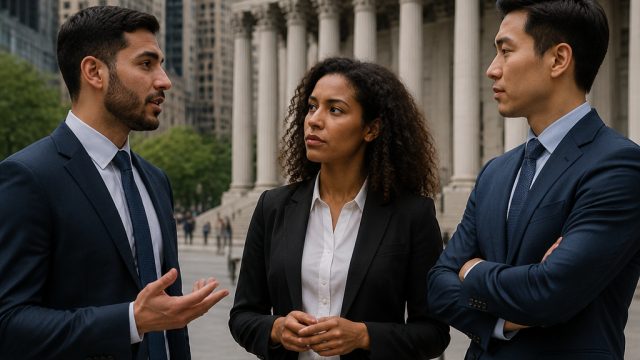
In a surprising turn of events, New York's political landscape has witnessed a significant transformation as new leaders rise to prominence, challenging the traditional Democratic establishment. The recent primaries have revealed that the established methods of campaigning, including large rallies and high-profile endorsements, may no longer be effective in engaging voters. Instead, a more grassroots approach has gained traction, leading to a reevaluation of campaign strategies in the state.
Ground Game Over Traditional Tactics
The recent primaries saw candidates leveraging innovative strategies that emphasized community engagement over conventional campaign methods. The Democratic establishment, long accustomed to their usual playbook, found themselves outmatched by fresh and dynamic candidates who prioritized direct voter interaction.
Why the Shift Matters Now
This shift is particularly significant as it reflects changing voter priorities and communication preferences. Here are key reasons why this transformation is crucial:
- Increased Voter Engagement: Emerging leaders are prioritizing everyday interactions rather than large-scale events, making voters feel more connected to their representatives.
- New Communication Channels: Utilizing social media and online platforms, candidates are able to reach younger demographics more effectively.
- Changing Political Landscape: As issues evolve, so do the strategies to address them. Candidates focusing on grassroots initiatives resonate more with voters tired of traditional politics.
Case Studies: Candidates who Embraced the Change
Several candidates who have embraced this new approach to campaigning have found remarkable success in the recent primaries. Their strategies serve as a roadmap for future political campaigns.
Innovative Campaigns in Action
Take, for instance, the campaigns of up-and-coming Democratic leaders who have effectively utilized community-focused initiatives:
- Local Outreach Programs: Candidates organized neighborhood events that provided platforms for open discussion on pressing issues, allowing them to connect directly with constituents.
- Utilization of Digital Tools: Many candidates created engaging content on social media, including videos and live streams, fostering a sense of community and belonging among followers.
- Interactive Town Halls: Virtual and in-person town halls were used effectively to solicit feedback and engage voters in discussions about policies that affect their daily lives.
Understanding the New Political Dynamics
The transformation seen in New York politics is not merely a trend; it signifies a shift in how politicians connect with the electorate. As new leaders emerge, they are not just focusing on winning elections but are committed to reshaping the narrative of what it means to be an effective leader.
The Future of Political Campaigning
As we look ahead, the implications of this shift cannot be understated. The success of these grassroots campaigns may influence how future elections are conducted, both in New York and across the nation. Here are some potential outcomes:
- Increased Diversity in Candidates: More individuals from various backgrounds may feel empowered to run for office, leading to a more representative political landscape.
- Innovative Fundraising Strategies: Candidates may increasingly rely on small donations from a large number of supporters rather than large contributions from a few wealthy donors.
- Shifts in Policy Focus: With direct feedback from constituents, elected officials may prioritize issues that truly resonate with the population they serve.
Conclusion: A New Era of Political Engagement
The recent shifts in New York's political dynamic mark the beginning of a new era characterized by heightened engagement and innovation. As candidates continue to adapt to the desires and needs of their constituents, the traditional political playbook may be rewritten. For voters, this change signifies more than just new faces; it represents a chance for meaningful dialogue and a more responsive government. As these trends unfold, it will be essential to monitor how they impact future elections and the broader political landscape across the United States.