
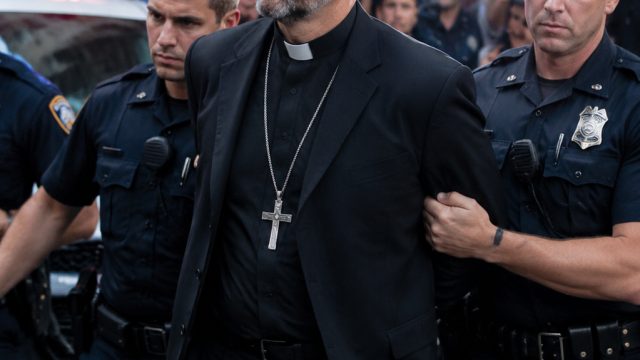
The political climate in South Korea has taken a dramatic turn following the arrest of a prominent church leader, raising significant concerns about the influence of religious organizations in national elections. This incident has activated discussions about ethical standards in both politics and religion, thereby attracting widespread attention.
The Arrest and Its Implications
The leader of a secretive religious group, known for its significant sway over a dedicated follower base, was apprehended by law enforcement officials in connection with an investigation into alleged election manipulation. This high-profile arrest not only highlights the intersection of faith and politics but also serves as a pivotal moment for South Korean society.
What Led to the Arrest?
Authorities initiated an investigation into the church's activities after numerous reports suggested that the organization was involved in unethical practices to influence electoral outcomes. Evidence collected during the inquiry points to the church's operational strategies, which allegedly included mobilizing followers to participate in targeted campaigns and exert pressure on political candidates.
Community Reaction
The arrest has triggered a spectrum of reactions within the community. Supporters of the church express deep concern over the implications this legal action may have for religious freedom. In contrast, critics argue for the need for transparency and accountability in organizations that wield considerable influence over political processes.
- Supporters: Advocate for the church's right to operate independently.
- Critics: Demand stricter regulations for religious organizations involved in politics.
- Legal Experts: Suggest this case could set a precedent for future church-state relations.
Historical Context: Religion and Politics in South Korea
To understand the gravity of this situation, it's essential to reflect on the historical context of religion's role in South Korean politics. Over the years, several religious figures have played crucial roles in political movements. However, the intertwining of faith and politics has often led to controversy, with calls for clearer boundaries between the two spheres.
Past Incidents of Religious Influence
This is not the first time religious organizations have come under scrutiny for their political involvement. Notable instances include:
- Influence of Buddhist groups in social justice movements.
- Christian organizations campaigning for various political candidates.
Looking Forward: What’s Next?
The repercussions of this arrest are likely to unfold over the coming months. Legal proceedings will clarify the extent of the church’s influence on elections and possibly expose broader patterns of misconduct by similar organizations. The public and political leaders are eager to see how these developments will shape the future of electoral integrity in South Korea.
Potential Outcomes
As the situation develops, several potential outcomes might arise:
- Increased Scrutiny: More rigorous investigations into other religious organizations.
- Policy Changes: New regulations governing religious participation in politics.
- Public Discourse: Heightened discussions about the separation of church and state.
Conclusion
The arrest of the church leader marks a crucial moment in South Korea’s ongoing dialogue about the intersection of faith and politics. As stakeholders from all sides brace for the implications of these developments, the necessity for ethical conduct in both domains becomes increasingly clear. The coming months will be crucial as the nation reflects on this significant event, determining not only the fate of the accused but also the future integrity of its electoral process.