
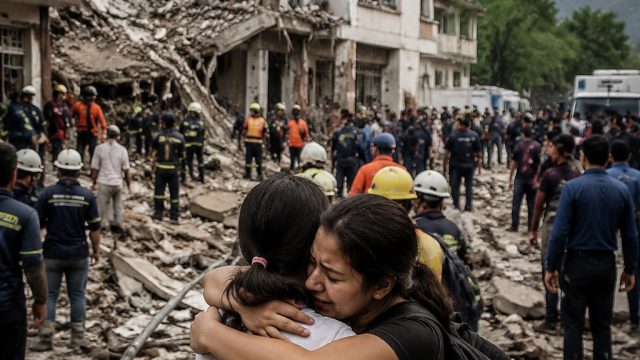
In a devastating turn of events, Venezuela has declared a state of emergency following two powerful earthquakes that struck the country within hours of each other. The tremors, registering magnitudes of 7.2 and 7.5, have left significant destruction in their wake, particularly in the capital city of Caracas. As the country grapples with the aftermath, the urgency for coordinated recovery efforts has never been more apparent.
The Earthquake's Immediate Impact
The seismic activity began in the early hours, sending residents fleeing from their homes into the streets as buildings swayed and some collapsed entirely. The Altamira neighborhood, known for its dense population and high-rise buildings, was one of the hardest hit. Eyewitness accounts describe scenes of panic and chaos, with people rushing to help those trapped beneath the rubble.
Casualties and Destruction
- Buildings damaged or destroyed across Caracas.
- Reports of high casualty figures continue to emerge.
- Emergency services are overwhelmed as they work to locate survivors.
José Morillo, a local resident, shared his urgent response to the disaster: "I live far away but came here riding my motorbike as fast as I could," he said, reflecting the determination of many to assist their neighbors.
Government Response and Emergency Measures
In light of the disasters, the Venezuelan government has initiated a series of emergency measures aimed at providing immediate relief to those affected. Hospitals are on high alert, and the military has been deployed to assist with rescue efforts. The government is also appealing for international aid to support recovery efforts.
Key Actions Taken
- Emergency shelters have been set up for displaced residents.
- Medical teams are being mobilized to treat injuries and provide psychological support.
- Efforts are underway to restore critical infrastructure, including power and water supply.
The Path to Recovery
While the immediate focus is on rescue and relief, the road to recovery will be long and challenging. Rebuilding efforts will require significant resources and community involvement. Local organizations are already mobilizing to provide support, emphasizing the importance of solidarity during this crisis.
Community Engagement and Support
- Community groups are organizing donation drives for food, clothing, and medical supplies.
- Volunteers are crucial in the search and rescue operations, assisting first responders.
- Public awareness campaigns are being launched to educate residents on safety protocols in the event of aftershocks.
The resilience of the Venezuelan people is evident as they band together in the face of tragedy. Many are finding ways to contribute, whether through providing shelter to those in need or offering their skills to aid in recovery. The solidarity shown during this difficult time underscores the importance of community in navigating crises.
Looking Ahead: Health and Safety Priorities
As the population begins to assess the impact of the earthquakes, public health officials are emphasizing the need for safety measures to prevent further injuries and health issues. The risk of aftershocks remains high, and residents are urged to stay vigilant.
Precautionary Measures Recommended
- Stay tuned to local news for updates on aftershock activity.
- Have an emergency kit ready, including food, water, and medical supplies.
- Participate in community safety drills to prepare for potential future emergencies.
In conclusion, the recent earthquakes in Venezuela have not only caused immediate devastation but also highlighted the urgent need for comprehensive disaster preparedness and community resilience. As the country works towards recovery, the support and solidarity of both local and international communities will play a critical role in rebuilding lives and infrastructure. Stay informed and consider how you can contribute to the recovery efforts in the wake of this disaster.