
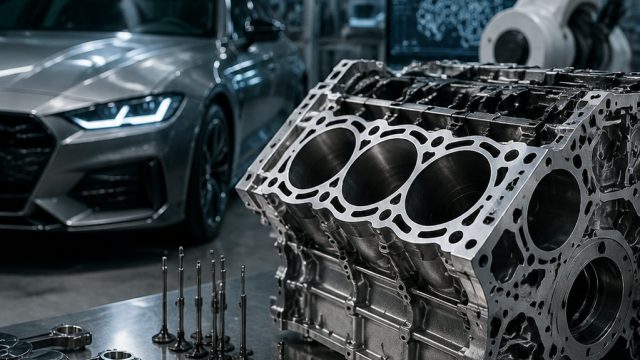
As we dive into mid-2026, the automotive sector continues to demonstrate remarkable innovation and transformation. With advancements in technology, sustainability practices gaining momentum, and changing consumer preferences, understanding the current landscape of the auto industry is crucial. This article will explore the most significant updates, trends, and insights that are shaping the automotive world right now.
Technological Innovations Driving Change
The pace of technological advancement in the automotive sector is unprecedented. From electric vehicles (EVs) to smart technologies, manufacturers are continuously adapting to stay competitive. Some of the key highlights include:
- Electric Vehicle Expansion: Major automakers are expanding their EV lineups, emphasizing sustainability and efficiency.
- Autonomous Driving Features: Enhanced safety features are becoming standard, with more vehicles equipped with advanced driver-assistance systems (ADAS).
- Connected Vehicles: The integration of IoT technology allows vehicles to connect with other devices and infrastructure, paving the way for smart transportation systems.
Green Technologies and Sustainability Efforts
As climate concerns rise, the automotive industry is shifting focus towards more sustainable practices. Key initiatives include:
- Recycled Materials: Manufacturers are increasingly using recycled materials in vehicle production to reduce waste.
- Carbon Neutral Goals: Many companies are setting ambitious targets to achieve carbon neutrality by 2030.
- Alternative Fuels: The exploration of hydrogen and biofuels is gaining traction as viable alternatives to traditional petrol and diesel.
Consumer Preferences and Market Trends
Understanding consumer behavior is essential for any business in the auto industry. Recent surveys indicate that preferences are shifting towards more eco-friendly and technologically advanced vehicles. Some notable trends include:
- Demand for EVs: Consumers are increasingly prioritizing electric vehicles, with many citing environmental impact as a key factor.
- Vehicle Customization: Buyers are seeking personalized options, leading manufacturers to offer more customizable features.
- Used Vehicle Market Growth: The demand for used cars is on the rise, especially as prices of new vehicles continue to climb.
The Impact of Online Sales and Digital Solutions
The pandemic has accelerated the digital transformation of the auto industry. Online sales platforms are now pivotal for many dealerships, enhancing consumer convenience and accessibility:
- Virtual Showrooms: Many companies have adopted virtual showrooms, allowing customers to explore cars from the comfort of their homes.
- E-commerce Integration: The ability to purchase vehicles online is becoming standard, enabling a seamless buying experience.
- Enhanced Digital Marketing: Businesses are leveraging social media and digital content to engage with potential customers effectively.
Future Outlook: Challenges and Opportunities
As we look ahead, the auto industry faces both challenges and opportunities. Here are some areas to watch for in the coming months:
- Supply Chain Resilience: The ongoing global supply chain disruptions necessitate the development of more robust supply chains.
- Regulatory Changes: Governments worldwide are implementing stricter emissions regulations, pushing manufacturers to comply and innovate.
- Consumer Education: Increased focus on educating consumers about new technologies will be essential for widespread acceptance.
In summary, the automotive industry is at a crossroads, driven by technological innovation, sustainability efforts, and shifting consumer preferences. Staying updated with these trends is crucial for stakeholders at all levels. As we move through 2026, the ability to adapt and respond to these changes will define the future of the automotive landscape.